TPMS: daily commute vs. long-distance touring?

The significance of a Tire Pressure Monitoring System (TPMS) shifts fundamentally between daily commuting and long-distance motorcycle touring. For the commuter, it is primarily a convenience and incident-prevention tool, catching slow leaks and ensuring consistent handling in varied urban conditions. For the tourer, it transforms into a critical, non-negotiable safety system for managing tire stress, preventing catastrophic failure, and making data-driven decisions over long, demanding routes.

TPMS prevent blowouts?

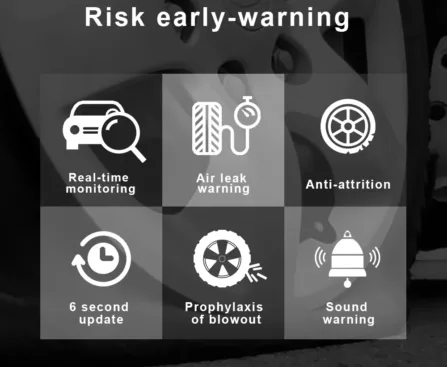
A Tire Pressure Monitoring System (TPMS) cannot physically prevent a tire blowout from occurring once the structural failure has begun. However, it is a critical early-warning system designed to alert the driver to the dangerous conditions that most commonly lead to a blowout—severe underinflation and overheating—allowing time for corrective action before a catastrophic failure happens. In this way, a TPMS is a primary tool for blowout prevention.

How does TPMS help cycling safety?

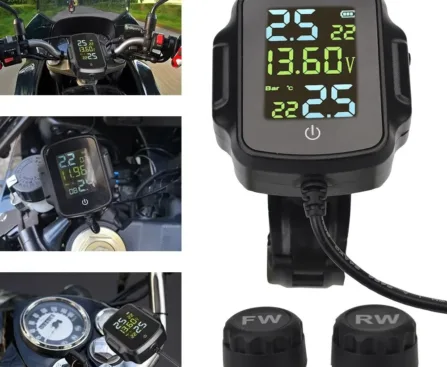
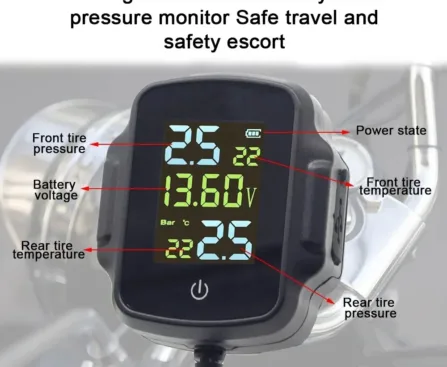
Installing a Tire Pressure Monitoring System (TPMS) on a motorcycle or bicycle provides critical, real-time data that directly addresses the unique and heightened vulnerabilities of two-wheeled vehicles. It transforms tire maintenance from a periodic guesswork task into a proactive safety system, offering concrete assistance in preventing accidents, preserving optimal handling, and extending tire life.

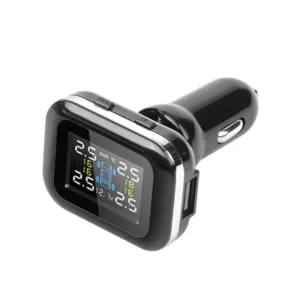
Cigarette lighter TPMS shows garbled code, how to fix?

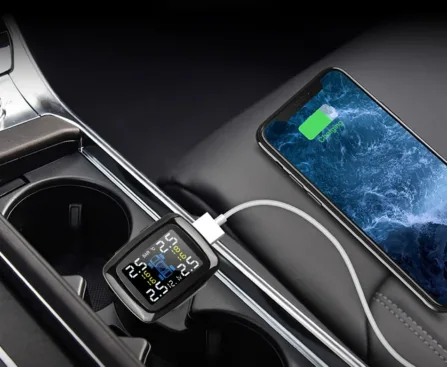
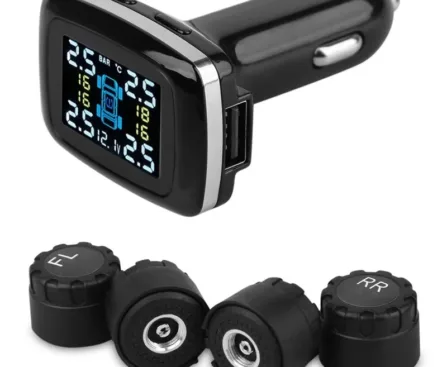
When your cigarette lighter TPMS (Tire Pressure Monitoring System) display shows garbled characters, scrambled symbols, or unreadable text, it indicates a communication or display error between the monitor and its data source. This is typically a solvable issue related to power, interference, or the unit itself. The solution involves a systematic troubleshooting approach, starting with the simplest fixes.

TPMS sensor battery replaceable?

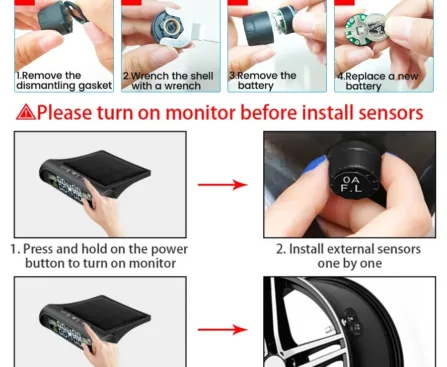
No, the battery in a standard, factory-installed or aftermarket direct TPMS (Tire Pressure Monitoring System) sensor is not designed to be replaced by the end-user or as a standard service procedure. The sensor is a sealed, non-serviceable unit. When the battery dies (typically after 5-10 years), the entire sensor assembly must be replaced. While technically possible to open and replace the battery in a workshop setting, this is highly impractical, risky, and not recommended due to issues of resealing, recalibration, and cost.