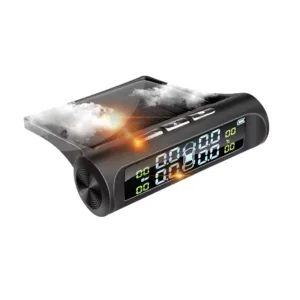
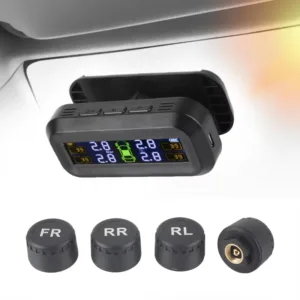
The best TPMS (Tire Pressure Monitoring System) helps drivers monitor tire pressure and temperature in real time, improving safety, fuel efficiency, and tire lifespan. Whether you need an external TPMS for easy installation, an internal TPMS for higher accuracy, or a smart TPMS with app connectivity, choosing the right system depends on your driving needs.
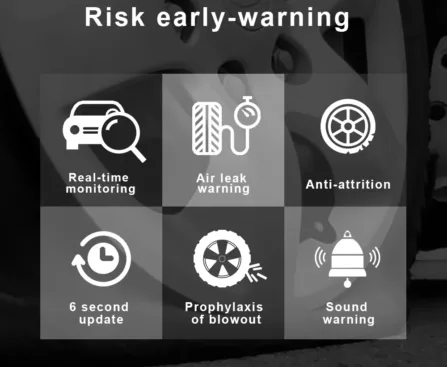
Modern TPMS systems, also called tire pressure monitors or tire sensor systems, offer features like wireless sensors, real-time alerts, and digital displays.
browse all TPMS systems
external TPMS systems
internal TPMS systems

Top Best TPMS


View all TPMS →

Best TPMS by Type

External TPMS
easy install TPMS
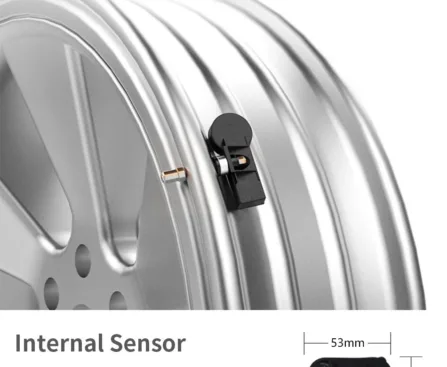
Internal TPMS
professional TPMS
App-Based TPMS
smart TPMS
Budget TPMS
cheap TPMS

How to Choose TPMS

Sensor type (external vs internal)
Display (screen vs mobile app)
Monitoring (pressure vs temperature)
Alerts (visual / sound)

FAQs

What is the best TPMS system?
An external TPMS is easiest; internal offers best accuracy.

Related Guides

TPMS with display
budget TPMS

TPMS monitors tire temp too?

When a TPMS display shows garbled code or scrambled information, professional-grade diagnostic tools are essential for isolating the fault between the vehicle’s TPMS sensors, the vehicle’s TPMS control module, and the display unit itself. These tools go beyond basic code readers to provide comprehensive system interrogation, sensor activation, live data streaming, and module diagnostics. The most effective tools for this task are dedicated TPMS diagnostic scanners or advanced automotive scanners with integrated TPMS functions.

Cigarette lighter TPMS shows garbled code, how to fix?

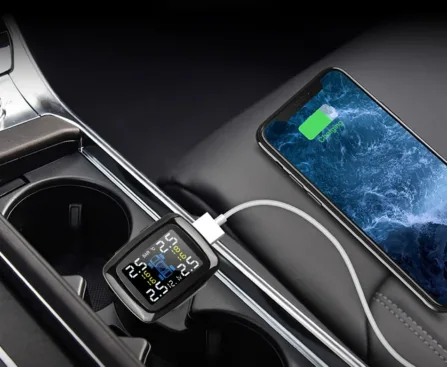
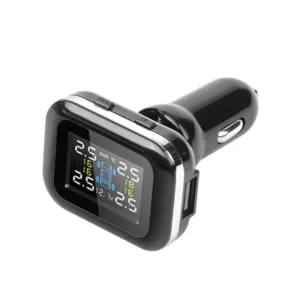
When your cigarette lighter TPMS (Tire Pressure Monitoring System) display shows garbled characters, scrambled symbols, or unreadable text, it indicates a communication or display error between the monitor and its data source. This is typically a solvable issue related to power, interference, or the unit itself. The solution involves a systematic troubleshooting approach, starting with the simplest fixes.

Replacing TPMS sensors with tires: What to watch for?

When replacing both the tire and the TPMS sensor, the core requirements—protecting the new hardware and ensuring proper electronic registration—apply universally. However, the process for a non-integrated, third-party TPMS system (a standalone kit with its own display) differs significantly from a vehicle’s integrated factory system in the areas of sensor compatibility, pairing method, and configuration tools. The primary distinction is that the new sensor must be paired with the system’s independent display unit, not the vehicle’s on-board computer.

Cigarette lighter TPMS battery life?

A TPMS (Tire Pressure Monitoring System) display that plugs into your vehicle’s cigarette lighter (also known as a 12V accessory socket) does not have a traditional “battery life” or “runtime.” Unlike battery-powered or solar-powered displays, it is designed to be powered directly by your vehicle’s electrical system. Its operation is entirely dependent on the power state of the cigarette lighter socket. Therefore, its effective “runtime” is either the duration of your drive or, in vehicles with always-live sockets, potentially until it contributes to draining the car battery over several days.

How to replace sensors on 4-sensor cigarette lighter TPMS?

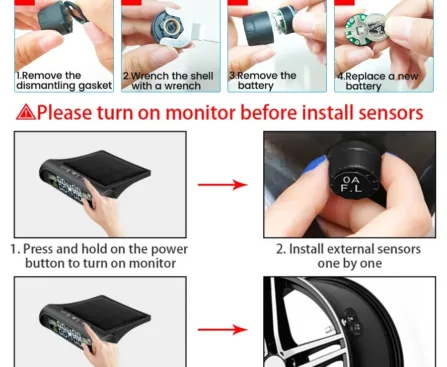
Replacing the sensors on an aftermarket cigarette lighter TPMS (Tire Pressure Monitoring System) involves two distinct phases: the physical replacement of the sensor hardware inside each tire, and the electronic pairing/relearning of the new sensors to the display unit. The process requires basic mechanical skill for tire work and careful attention to the specific relearn procedure for your TPMS kit. It is highly recommended to have a professional tire shop handle the tire dismounting and sensor installation to avoid damage; the pairing process can often be done by the user.