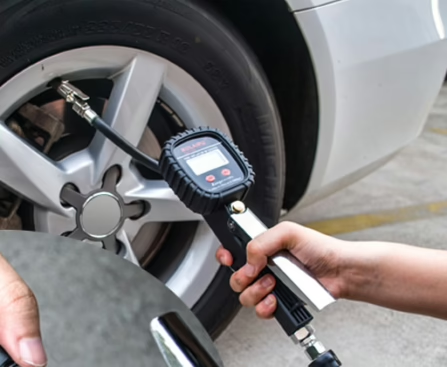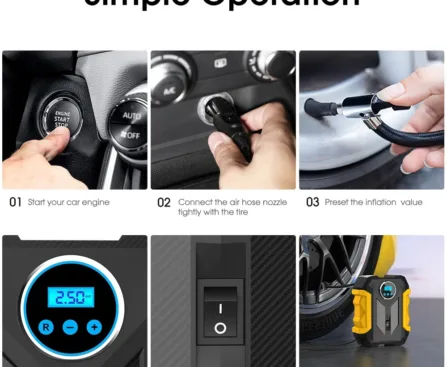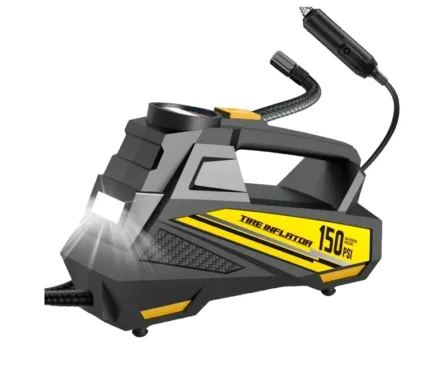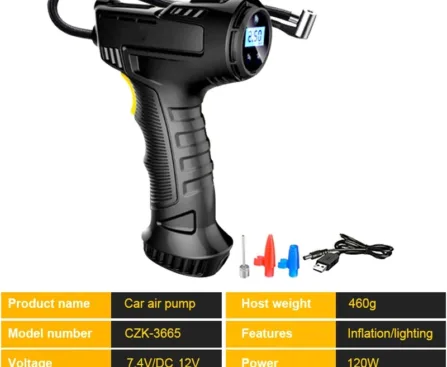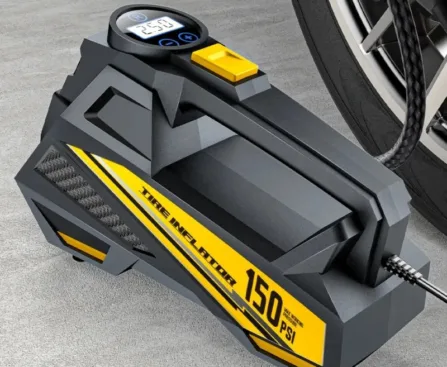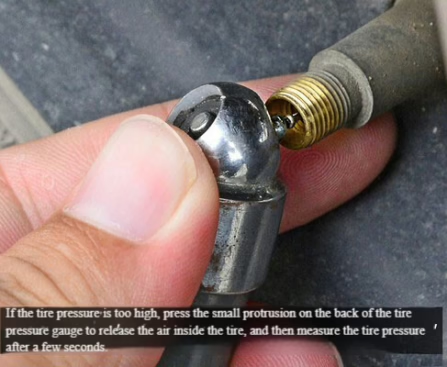
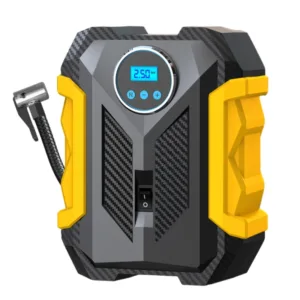
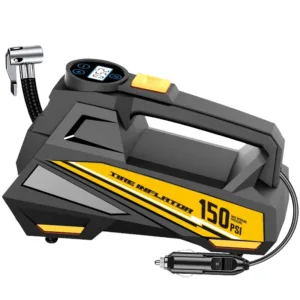
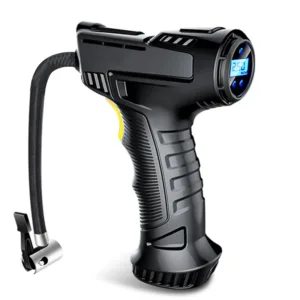
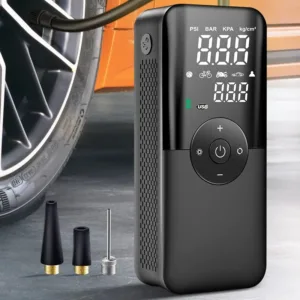
The key difference between a 12V cigarette lighter air compressor (car tire inflator) and a traditional manual pump lies in their power source and working principle, which directly leads to significant differences in their usage scenarios, efficiency, convenience, and functionality.
A tire inflator for cars is specifically designed for passenger vehicles, offering the right balance of pressure, speed, and portability. These car tire air compressors, also known as vehicle tire pumps, are essential for maintaining tire safety and performance.
all tire inflators
best inflators
budget options
Benefits
Optimized for cars
Easy to use
Reliable performance
Best Tire Inflators for Cars
-

Portable Car Air Compressor Travel Emergency Tire Inflator Pump
Price range: $107.99 through $109.99Select options This product has multiple variants. The options may be chosen on the product page -

12 Volt Portable Car Air Pump inflator Cigarette Lighter Socket Powered
$99.99 -

Handheld Air Compressor Pump Tire Inflator For Car And Bicycle
Price range: $85.99 through $89.99Select options This product has multiple variants. The options may be chosen on the product page -
Sale!

Rechargeable Tire Inflator Portable Air Compressor With Digital Display
Original price was: $88.99.$78.99Current price is: $78.99.
View car inflators →
How to Choose
PSI range (100–150 recommended)
Power source
Size and portability
FAQs
What PSI do car tires need?
Typically 30–35 PSI.
Related Guides
A 12-volt cigarette lighter air compressor, commonly known as a portable tire inflator, works by converting your car’s 12V DC electrical power into mechanical energy to compress air. At its heart is a small, single-piston air pump driven by a DC electric motor. Understanding this core principle is key to using it effectively and safely.
A 12V cigarette lighter air compressor, commonly known as a portable tire inflator or mini air compressor, is a compact, electrically-powered device designed to inflate tires and other inflatables using your vehicle’s 12-volt electrical system. It plugs directly into your car’s standard cigarette lighter socket (also called a 12V accessory outlet), making it an essential piece of emergency and maintenance gear for any driver.
The 12V cigarette lighter air compressor is a compact and portable tire inflation device., portable device designed to inflate tires, sports equipment, and inflatables using your vehicle’s electrical system. Its core functionality relies on a precise integration of mechanical, electrical, and control components. Primarily, it consists of five key subsystems: the Electric Motor, the Compression Mechanism (Cylinder & Piston), the Cooling System, the Control & Measurement Unit (Pressure Switch, Gauge, Circuitry), and the Air Delivery System (Hose, Nozzle, Connectors).
The specifications “12V” and “Cigarette Lighter” define the core power source, compatibility, and inherent performance boundaries of a portable tire inflator. Together, they mean the device is designed exclusively for use with a vehicle’s standard electrical system, offering ultimate convenience but with clear limitations on power and continuous operation compared to mains-powered or high-current models.
This question contains a common point of confusion. The TPMS sensors themselves are not connected to the cigarette lighter. The cigarette lighter port is used by a separate TPMS receiver or display unit. Therefore, the answer addresses two distinct components: the wireless tire-mounted sensors (which can be susceptible to damage) and the plug-in receiver (which is generally robust).
Tires are a very important part of a car. If the vehicle experiences low tire pressure during use, it not only makes the ride uncomfortable but also affects driving safety. This is when a car air pump comes in handy, allowing you to inflate the tires promptly and ensure the tire pressure stays within the specified range.
Trouble code B0026 relates to the vehicle’s passive safety system, specifically the driver’s front airbag. It indicates a fault in the airbag’s deployment circuit, which could cause a malfunction during a collision.