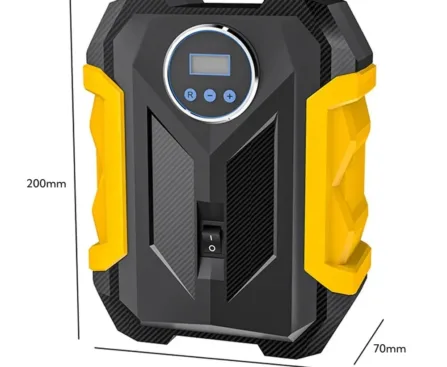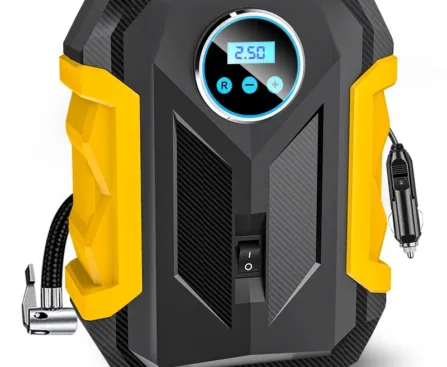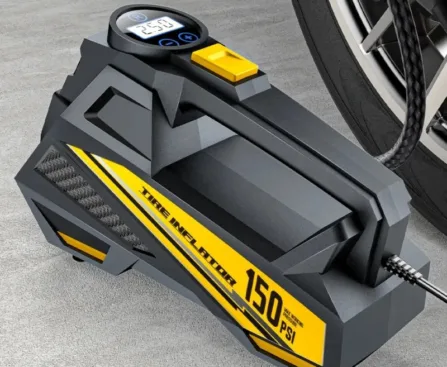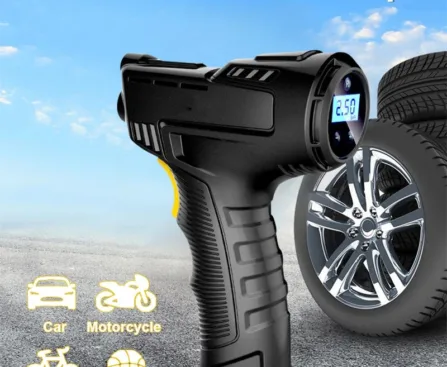
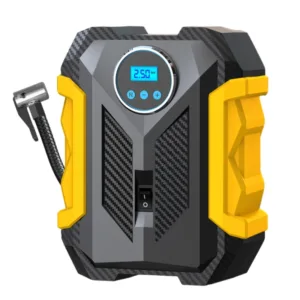
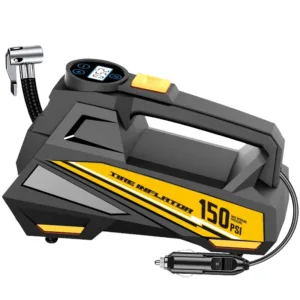
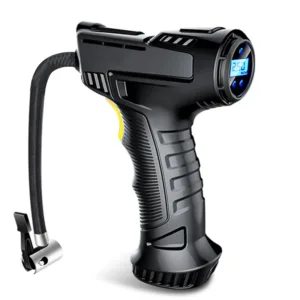
A tire inflator’s cable length and weight are important for real-world usability, but they rank below max PSI, airflow (L/min or CFM), amp draw, cylinder material, and duty cycle. A 9–11 ft power cord and an 18–26 inch air hose are the sweet spot for most cars and SUVs; anything shorter forces you to reposition the vehicle or the pump. Weight typically lands between 2–6 lbs for portable units—lighter is better for storage and handling, but a heavier tire pump usually means a metal cylinder, higher CFM, and better heat management. Match the size to your vehicle: a compact tire inflator for a sedan, a heavier tire pump for a truck.
A fast tire inflator is designed to reduce inflation time with higher airflow and efficient compression. These high-speed air compressors, also known as quick tire pumps, are ideal for drivers who need fast and reliable tire inflation.
all tire inflators
best overall models
portable options
Benefits
Faster inflation time
Suitable for larger tires
Efficient performance
Best Fast Tire Inflators
-

Portable Car Air Compressor Travel Emergency Tire Inflator Pump
Price range: $107.99 through $109.99This product has multiple variants. The options may be chosen on the product page -

12 Volt Portable Car Air Pump inflator Cigarette Lighter Socket Powered
$99.99 -

Handheld Air Compressor Pump Tire Inflator For Car And Bicycle
Price range: $85.99 through $89.99This product has multiple variants. The options may be chosen on the product page
View fast inflators →
How to Choose
Airflow rate
Motor power
PSI range
FAQs
What makes a tire inflator fast?
Higher airflow and stronger motor.
Related Guides
Five parameters determine whether a 12V inflator fits your vehicle: maximum PSI, airflow rate (L/min or CFM), amp draw relative to your 12V socket fuse, duty cycle, and gauge type with auto shut-off. A compact car can use a 10–12A, 25–35 L/min unit plugged into the cigarette lighter. A full-size SUV or truck needs 15A+ with battery clamps and 50–70 L/min airflow, or the pump will overheat before finishing the second tire.
The short answer: a typical 12V portable inflator takes roughly 5 to 12 minutes to bring one completely flat passenger-car tire (say 0 → 35 PSI) to proper pressure, depending on the tire size, the inflator’s flow rate, and whether you respect the duty cycle. It’s slow compared to a gas-station pump, but fast enough to get you off the shoulder and to a repair shop.
A 12V portable tire inflator is designed primarily for vehicle tires and small-to-medium volume inflatables, but its usefulness extends further than most people expect. The key limitation is flow rate (L/min) and duty cycle, not just max PSI — so what it can inflate depends on how much air volume is involved and whether the pressure required is within its ~80 PSI reliable range.
Portable car tire inflators (12V electric air pumps) and traditional manual bicycle pumps serve the same fundamental purpose—adding air to tires—but they differ dramatically in power source, effort, speed, accuracy, and suitability for different vehicles. Choosing between them depends on your primary use case: occasional car tire top-ups favor the electric inflator, while cyclists or minimalists may prefer the simplicity and reliability of a manual pump.
The key difference between a 12V cigarette lighter air compressor (car tire inflator) and a traditional manual pump lies in their power source and working principle, which directly leads to significant differences in their usage scenarios, efficiency, convenience, and functionality.
The specifications “12V” and “Cigarette Lighter” define the core power source, compatibility, and inherent performance boundaries of a portable tire inflator. Together, they mean the device is designed exclusively for use with a vehicle’s standard electrical system, offering ultimate convenience but with clear limitations on power and continuous operation compared to mains-powered or high-current models.