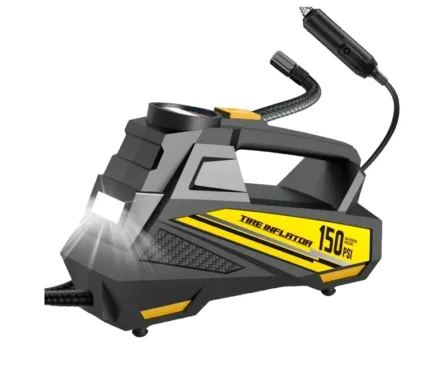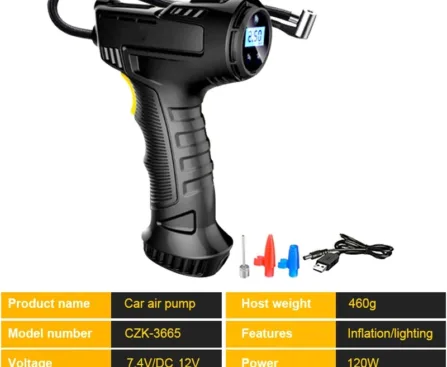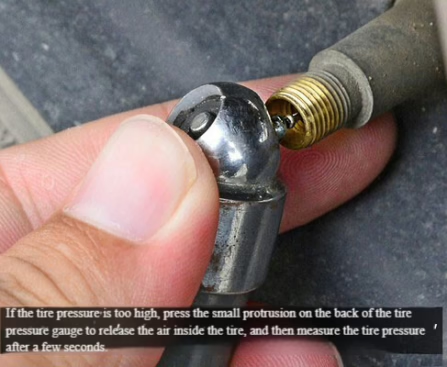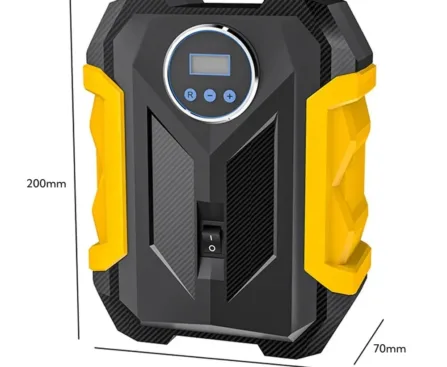
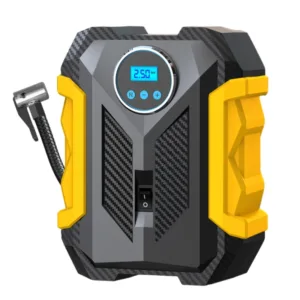
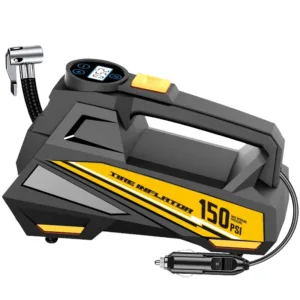
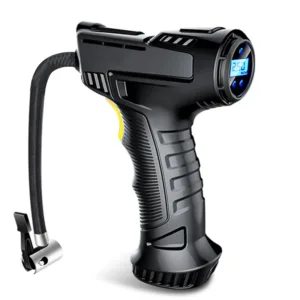
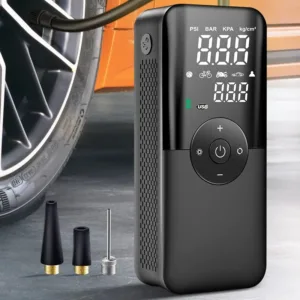
The best tire inflator helps keep your tires properly inflated, improving safety, fuel efficiency, and driving performance. Whether you need a portable tire inflator, a fast air compressor, or a budget-friendly tire pump, choosing the right model depends on power source, pressure, and features.
Modern car tire inflators, also called air compressors or tire pumps, come with digital displays, auto shut-off, and high-pressure capability.
browse all tire inflators
portable air compressors
budget tire inflators

Top 10 Best Tire Inflators


View all tire inflators →

Best Tire Inflators by Category

Portable
compact tire inflators
Fast Inflation
fast air compressors
Budget
affordable tire pumps
Digital Display
digital tire inflators

How to Choose

Power source (12V / battery / AC)
Max PSI
Inflation speed
Accuracy

FAQs

What is the best tire inflator for cars?
A portable 12V inflator with 100–150 PSI is ideal.

Related

car tire inflators

What are the correct steps for inflating tires?

Proper tire inflation follows a fixed sequence: park safely → read the vehicle’s recommended cold PSI from the door jamb placard → start the engine in an open, well-ventilated area → connect the 12V tire inflator → set target pressure → inflate → verify with a standalone gauge → disconnect and stow. The most common mistakes are using the tire sidewall’s maximum PSI instead of the vehicle’s recommended PSI, failing to start the engine, and running the tyre pump past its duty-cycle limit until it overheats.

What accessories should come standard with a tire inflator purchase?

At minimum, a tire inflator should ship with a spare fuse, a set of nozzle adapters (cone + ball needle + Presta valve adapter), an air hose long enough to reach all four tires, and a user manual. A quality tire pump adds a carry bag or hard case, battery clamps as an alternative power path, an LED work light, and an extension hose coupling. If the box is missing the spare fuse or the adapter set, that is a red flag regardless of brand.

How to choose a suitable 12V car inflator? What key specs matter most?

Five parameters determine whether a 12V inflator fits your vehicle: maximum PSI, airflow rate (L/min or CFM), amp draw relative to your 12V socket fuse, duty cycle, and gauge type with auto shut-off. A compact car can use a 10–12A, 25–35 L/min unit plugged into the cigarette lighter. A full-size SUV or truck needs 15A+ with battery clamps and 50–70 L/min airflow, or the pump will overheat before finishing the second tire.

How to store and maintain a tire inflator when not in use long-term?

A portable 12V inflator left in the trunk for 6 months will usually still work—but the battery in the digital gauge will be dead, the hose will have a permanent kink memory, and the cig-plug contacts may be corroded. The real killers aren’t the pump itself (DC motor + piston are simple); it’s the peripheral stuff: gauge battery leakage, hose rubber aging, and 12V plug oxidation. 10 minutes of prep before storage saves a dead pump the day you actually need it.

Is it normal for a tire inflator to get very hot after use?

Small 12V portable inflators run a DC motor + piston compressor inside a plastic or thin-metal shell with almost no active cooling. After 5–10 minutes of continuous run, the housing can hit 120–150°F (50–65°C)—hot enough to make you pull your hand away, but not necessarily broken. What matters is distinguishing “normal operating heat” from “dangerous overheating” that signals motor strain, blocked intake, or a pump you’re pushing too hard.

How fast is a 12V cigarette lighter air compressor? How long to fill a flat tire?

The short answer: a typical 12V portable inflator takes roughly 5 to 12 minutes to bring one completely flat passenger-car tire (say 0 → 35 PSI) to proper pressure, depending on the tire size, the inflator’s flow rate, and whether you respect the duty cycle. It’s slow compared to a gas-station pump, but fast enough to get you off the shoulder and to a repair shop.