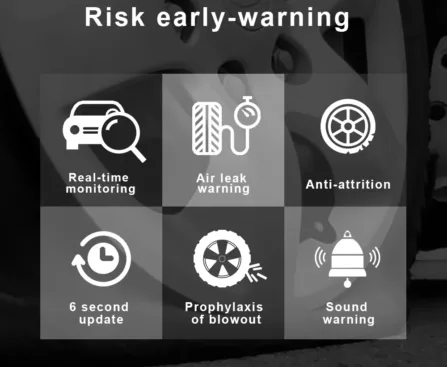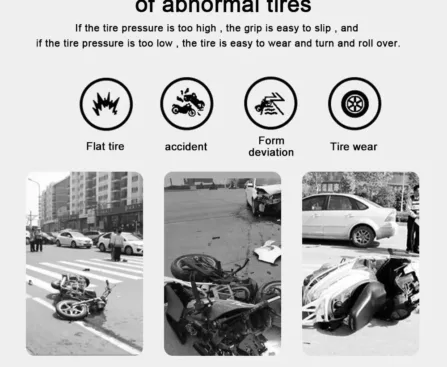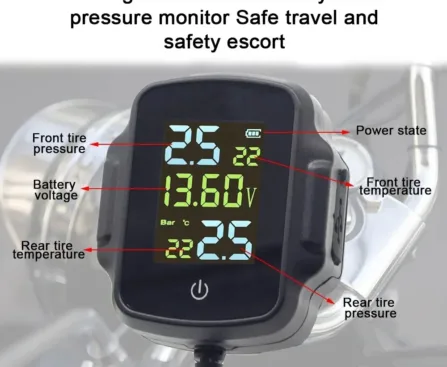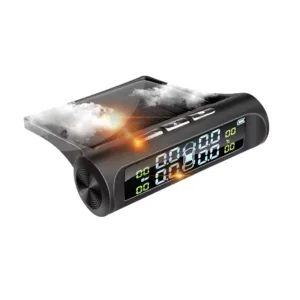
Motorcycle TPMS (Tire Pressure Monitoring System) works by using sensors to directly measure the air pressure and temperature inside each tire, then wirelessly transmitting this data to a display unit for the rider. This real-time monitoring helps prevent accidents caused by under-inflation or over-inflation.
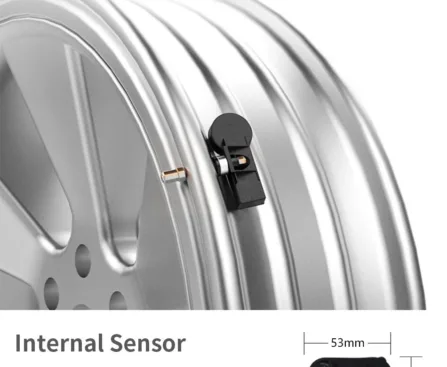
An internal TPMS is installed inside the tire, offering more accurate readings and better durability. These professional TPMS systems are commonly used for long-term monitoring.
Best Internal TPMS
View internal TPMS →
Related
The definitive way to determine if a Tire Pressure Monitoring System (TPMS) sensor requires full replacement, rather than just suffering from a depleted battery, is to perform a diagnostic procedure that checks for physical damage, internal electronic failure, and specific fault codes. Since the battery is a non-serviceable part of the sealed sensor unit, any internal failure necessitates a complete sensor replacement. The core distinction lies in identifying symptoms that go beyond simple power loss.
No, the battery in a standard, factory-installed or aftermarket direct TPMS (Tire Pressure Monitoring System) sensor is not designed to be replaced by the end-user or as a standard service procedure. The sensor is a sealed, non-serviceable unit. When the battery dies (typically after 5-10 years), the entire sensor assembly must be replaced. While technically possible to open and replace the battery in a workshop setting, this is highly impractical, risky, and not recommended due to issues of resealing, recalibration, and cost.
When replacing both the tire and the TPMS sensor, the core requirements—protecting the new hardware and ensuring proper electronic registration—apply universally. However, the process for a non-integrated, third-party TPMS system (a standalone kit with its own display) differs significantly from a vehicle’s integrated factory system in the areas of sensor compatibility, pairing method, and configuration tools. The primary distinction is that the new sensor must be paired with the system’s independent display unit, not the vehicle’s on-board computer.
A Motorcycle Tire Pressure Monitoring System (TPMS) is an electronic safety system designed to monitor the air pressure and temperature of your motorcycle tires in real time. It alerts the rider if tire pressure becomes too high, too low, or drops rapidly—helping to prevent accidents caused by underinflated or overinflated tires.
To definitively determine whether the problem lies with your vehicle’s electrical system or the TPMS display unit hardware, you must perform a systematic isolation test. The core diagnostic principle is to test the display unit in a known-good vehicle and test a known-good device in your vehicle’s power socket. A failure that follows the display unit points to a hardware fault, while a problem that persists in your vehicle’s socket with a different device indicates an electrical system issue.
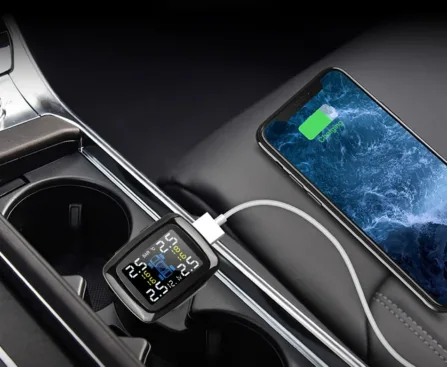
Yes, you can continue to drive the vehicle, but you must immediately perform a manual check of all tire pressures using a reliable tire pressure gauge. A garbled or scrambled display on an aftermarket cigarette lighter TPMS monitor indicates a failure of that specific display unit or its connection, not necessarily a problem with your tires or the sensors themselves. Your primary safety concern is the actual tire condition, not the faulty display.
Maintaining correct tire pressure is not just about maintenance—it’s a critical safety practice for any motorcyclist. A Tire Pressure Monitoring System (TPMS) is an electronic aid that provides real-time monitoring, significantly enhancing your awareness and safety on the road.