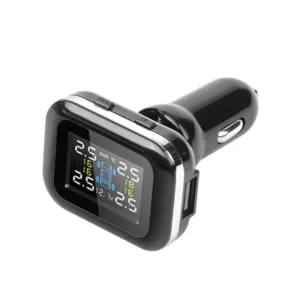
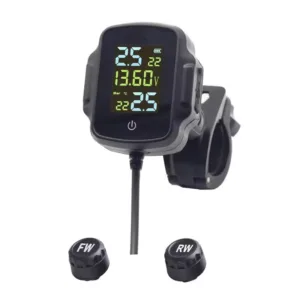
For most riders seeking optimal reliability and accuracy, internal TPMS sensors are the superior choice. However, the best option depends on your specific priorities: internal sensors offer better performance and security, while external sensors provide easier installation and lower upfront cost.
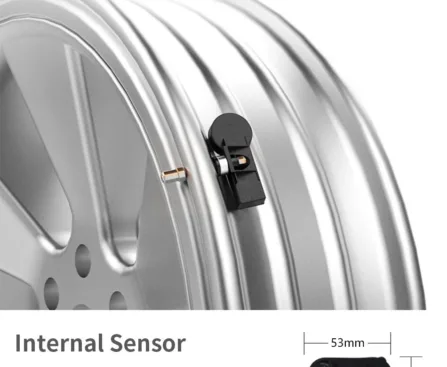
A cheap TPMS provides essential tire pressure monitoring at an affordable price. These budget tire pressure monitoring systems, also known as low-cost TPMS sensors, are ideal for drivers who want safety without high cost.
all TPMS systems
best TPMS
Best Cheap TPMS
-
Sale!

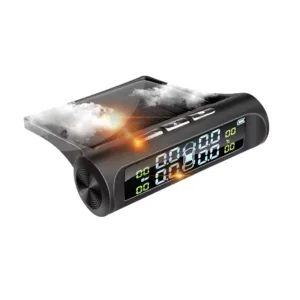
Tire Pressure Monitoring System Temperature Warning Fuel Save Solar TPMS
Original price was: $69.99.$56.99Current price is: $56.99. -

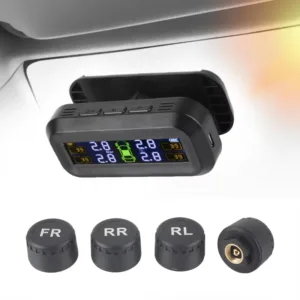
Solar Power Tire Pressure Monitoring System Car Tyre Pressure Security Alarm
Price range: $58.99 through $65.99Select options This product has multiple variants. The options may be chosen on the product page -

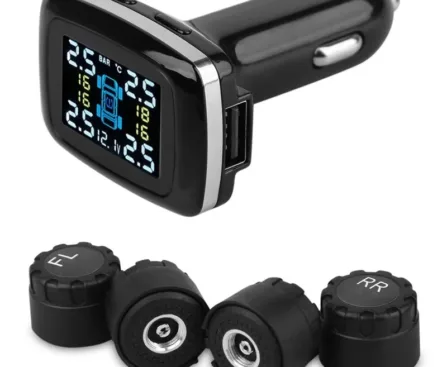
Car TPMS Cigarette Lighter Tire Pressure Monitoring System With 4 External Internal Sensor
Price range: $69.99 through $80.99Select options This product has multiple variants. The options may be chosen on the product page -
Sale!

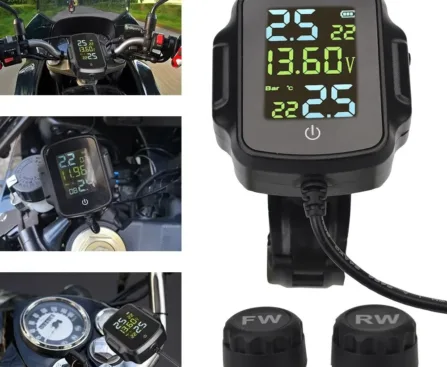
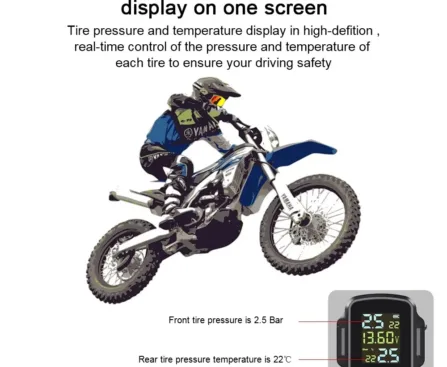
Motorcycle TPMS Tire Pressure Monitoring System With 2 Tire Pressure External Sensors
Original price was: $85.99.$69.99Current price is: $69.99.
View cheap TPMS →
Related
Selecting the ideal Tire Pressure Monitoring System (TPMS) for your motorcycle is a critical safety and performance decision. The right system provides peace of mind, enhances handling, and can prevent catastrophic tire failure. Your choice should be guided by your motorcycle type, riding style, technical preferences, and budget. This guide breaks down the decision into clear, actionable dimensions to help you find the perfect match.
Selecting the right Tire Pressure Monitoring System (TPMS) requires evaluating a combination of technical specifications, functional features, and user-centric design elements. The core parameters to prioritize are sensor accuracy and type, measurement capabilities, alert system sophistication, durability, and compatibility with your specific vehicle and use case.
A Tire Pressure Monitoring System (TPMS) cannot physically prevent a tire blowout from occurring once the structural failure has begun. However, it is a critical early-warning system designed to alert the driver to the dangerous conditions that most commonly lead to a blowout—severe underinflation and overheating—allowing time for corrective action before a catastrophic failure happens. In this way, a TPMS is a primary tool for blowout prevention.
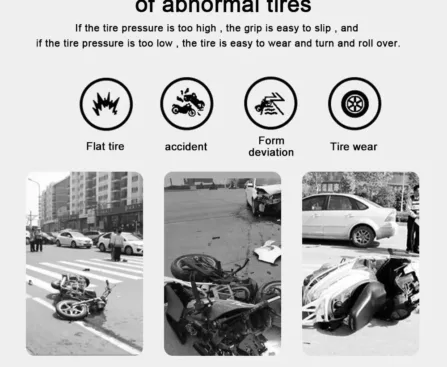
Installing a Tire Pressure Monitoring System (TPMS) on a motorcycle or bicycle provides critical, real-time data that directly addresses the unique and heightened vulnerabilities of two-wheeled vehicles. It transforms tire maintenance from a periodic guesswork task into a proactive safety system, offering concrete assistance in preventing accidents, preserving optimal handling, and extending tire life.
When a TPMS display shows garbled code or scrambled information, professional-grade diagnostic tools are essential for isolating the fault between the vehicle’s TPMS sensors, the vehicle’s TPMS control module, and the display unit itself. These tools go beyond basic code readers to provide comprehensive system interrogation, sensor activation, live data streaming, and module diagnostics. The most effective tools for this task are dedicated TPMS diagnostic scanners or advanced automotive scanners with integrated TPMS functions.
When your cigarette lighter TPMS (Tire Pressure Monitoring System) display shows garbled characters, scrambled symbols, or unreadable text, it indicates a communication or display error between the monitor and its data source. This is typically a solvable issue related to power, interference, or the unit itself. The solution involves a systematic troubleshooting approach, starting with the simplest fixes.
A Motorcycle Tire Pressure Monitoring System (TPMS) is an electronic safety system designed to monitor the air pressure and temperature of your motorcycle tires in real time. It alerts the rider if tire pressure becomes too high, too low, or drops rapidly—helping to prevent accidents caused by underinflated or overinflated tires.