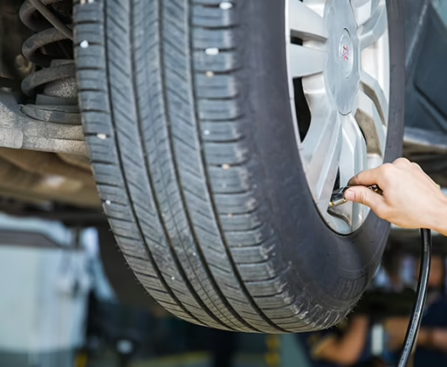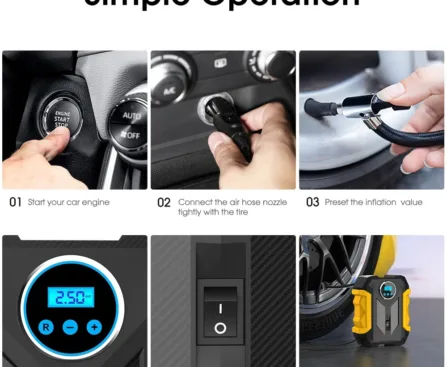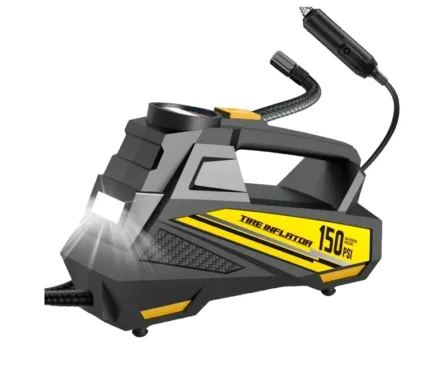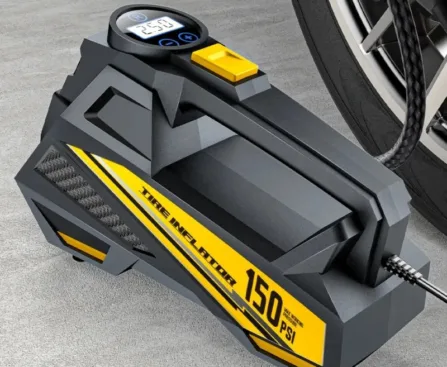
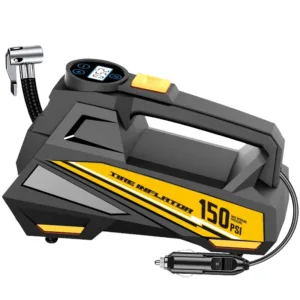
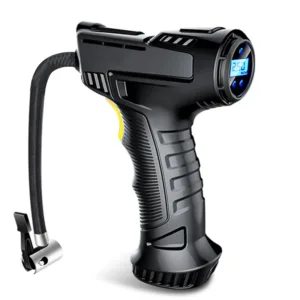
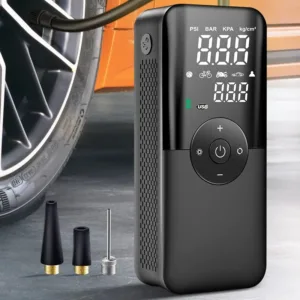
The short answer: a typical 12V portable inflator takes roughly 5 to 12 minutes to bring one completely flat passenger-car tire (say 0 → 35 PSI) to proper pressure, depending on the tire size, the inflator’s flow rate, and whether you respect the duty cycle. It’s slow compared to a gas-station pump, but fast enough to get you off the shoulder and to a repair shop.
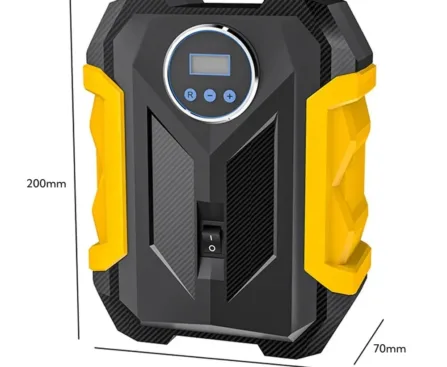
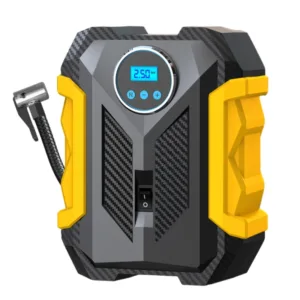
A tire inflator with digital display provides accurate pressure readings and improved usability compared to traditional analog gauges. These digital tire inflators, also called air compressors with LCD display or smart tire pumps, often include features like preset pressure, auto shut-off, and precise PSI monitoring.
all inflators
portable inflators
best tire inflators
Benefits
High accuracy
Easy-to-read display
Automatic shut-off
Better control
Best Digital Tire Inflators
-

Portable Car Air Compressor Travel Emergency Tire Inflator Pump
Price range: $107.99 through $109.99Select options This product has multiple variants. The options may be chosen on the product page -

12 Volt Portable Car Air Pump inflator Cigarette Lighter Socket Powered
$99.99 -

Handheld Air Compressor Pump Tire Inflator For Car And Bicycle
Price range: $85.99 through $89.99Select options This product has multiple variants. The options may be chosen on the product page -
Sale!

Rechargeable Tire Inflator Portable Air Compressor With Digital Display
Original price was: $88.99.$78.99Current price is: $78.99.
View digital inflators →
How to Choose
Display type (LCD/LED)
Accuracy level
Preset pressure function
FAQs
Are digital tire inflators more accurate?
Yes, they provide precise PSI readings.
Related Guides
A 12V portable tire inflator is designed primarily for vehicle tires and small-to-medium volume inflatables, but its usefulness extends further than most people expect. The key limitation is flow rate (L/min) and duty cycle, not just max PSI — so what it can inflate depends on how much air volume is involved and whether the pressure required is within its ~80 PSI reliable range.
A portable 12V tire inflator (often called a cigarette lighter air compressor) is essentially a miniature direct-flow air compressor powered by your vehicle’s 12-volt DC electrical system. It does not store compressed air in a tank — it generates pressure on the fly and pushes it straight into the tire as long as the motor is running.
Portable car tire inflators (12V electric air pumps) and traditional manual bicycle pumps serve the same fundamental purpose—adding air to tires—but they differ dramatically in power source, effort, speed, accuracy, and suitability for different vehicles. Choosing between them depends on your primary use case: occasional car tire top-ups favor the electric inflator, while cyclists or minimalists may prefer the simplicity and reliability of a manual pump.
A 12-volt cigarette lighter air compressor, commonly known as a portable tire inflator, works by converting your car’s 12V DC electrical power into mechanical energy to compress air. At its heart is a small, single-piston air pump driven by a DC electric motor. Understanding this core principle is key to using it effectively and safely.
The 12V cigarette lighter air compressor is a compact and portable tire inflation device., portable device designed to inflate tires, sports equipment, and inflatables using your vehicle’s electrical system. Its core functionality relies on a precise integration of mechanical, electrical, and control components. Primarily, it consists of five key subsystems: the Electric Motor, the Compression Mechanism (Cylinder & Piston), the Cooling System, the Control & Measurement Unit (Pressure Switch, Gauge, Circuitry), and the Air Delivery System (Hose, Nozzle, Connectors).
The difference in inflation speed between foot pumps and portable electric pumps is indeed quite significant, primarily due to their different working principles.
Replacing tires is indeed a skilled task that directly relates to driving safety. Understanding the process thoroughly before starting is very important. Below, I’ve outlined the complete considerations for you, from determining when to replace, to selecting and installing new tires.