
Steam cleaning your car seats typically takes between 1.5 to 4 hours from setup to complete drying. The active steaming and wiping process itself usually requires 30 to 60 minutes for a standard sedan. Using a Car Vacuum Cleaner effectively in the preparation and finishing stages is crucial for both efficiency and a superior result.
Key Factors That Determine the Time Required
| Factor | Impact on Time |
|---|---|
| Material & Seat Type | Fabric seats take the longest due to deep cleaning needs. Leather/Vinyl are faster but require careful conditioning. |
| Level of Soiling | Light maintenance is quick. Stains from spills, pets, or heavy grime can double or triple the time. |
| Steam Cleaner Power | Professional-grade machines with high temperature and continuous steam flow work significantly faster than small household units. |
| Drying Time | This is the most variable phase. Good ventilation is crucial and can take 1-3 hours. Humid conditions slow it down. |
Realistic Time Breakdown for a Full Cleaning
- Preparation (15-20 mins) The most important step is a thorough dry vacuum with a Car Vacuum Cleaner equipped with an upholstery brush. This removes all loose dirt, crumbs, and sand. If you skip this, steam will turn this debris into mud, making the cleaning longer and less effective. Pre-treat any heavy stains.
- Active Steam Cleaning (30-60 mins) Work in sections, applying steam and immediately wiping with a clean microfiber cloth to lift and absorb the dissolved dirt. Change cloths frequently to avoid reapplying grime.
- Drying & Conditioning (1-3 hours)
This is the essential final phase. Air out the car with doors open. For fabric seats, using a wet/dry Car Vacuum Cleaner (extractor) immediately after steaming to suck out the hot, dirty moisture is the single most effective way to cut drying time in half and achieve a deeper clean.
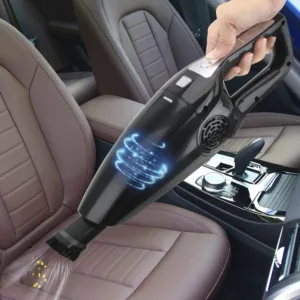
Pro Tip: Never skip the pre-vacuuming with a Car Vacuum Cleaner. It protects your steam cleaner from clogging and ensures you’re cleaning the fabric, not just the dirt on top of it. Proper drying prevents mildew, which is especially important for fabric seats.