
When using a high-pressure washer (car wash gun) in winter, the low-temperature environment requires special attention to frost prevention, equipment protection, and personal safety. Here are the key considerations:
I. Core Principle: Prevent Freezing at All Costs (MOST IMPORTANT!)
Water freezing inside the machine, hoses, or nozzles expands and can cause permanent, irreparable damage (e.g., cracked pump housing, damaged seals).
- Drain Immediately After Use:
- Perform a thorough drainage after every use.
- Turn off the machine first, then pull the spray gun trigger to release system pressure.
- Disconnect the inlet hose from both the water source and the machine to drain any remaining water.
- Start the machine and let it run for a few seconds to expel residual water from the pump and internal lines.
- Store in Above-Freezing Temperatures: Move the washer, all hoses, the spray gun, and other components indoors (e.g., garage, storage room) for storage. Never leave them outside overnight.
II. Regarding Water Use: Use Hot Water Cautiously, Avoid Cold Water Freezing
- Never Connect Directly to Hot Water: The pumps in most household pressure washers are designed for cold water only. Connecting directly to hot water (especially above 60°C/140°F) can damage seals and the pump, causing failure. Always check the manual to confirm.
- Recommendation: Use Lukewarm Water: If possible, use lukewarm water stored indoors (slightly warmer). It cleans more effectively than near-freezing cold water and delays ice formation.
- Add Specialized Antifreeze: Some professional models allow adding pressure washer-specific antifreeze to the system (NEVER use automotive antifreeze). Follow the product instructions strictly.
III. Operational and Environmental Safety
- Choose the Right Time: Try to wash during the daytime when temperatures are highest (e.g., noon). Avoid operating in sub-zero temperatures or at night.
- Watch for Slippery Surfaces: Water runoff can freeze rapidly on the ground, creating dangerous ice. Ensure your work area drains well, stand firmly, and use anti-slip mats if necessary.
- Dry the Vehicle Thoroughly: Water evaporates slowly in winter. After washing, you must thoroughly dry door seams, keyholes, window seals, etc., with a dry towel or blower to prevent them from freezing shut.
- Electrical Safety: Ensure the power outlet is dry, and your hands are dry before operating switches to prevent electric shock.
IV. Equipment Maintenance & Storage
- Clean and Lubricate: After use, lightly lubricate moving parts like quick-connect fittings and the spray gun trigger mechanism (e.g., with silicone-based lubricant) as recommended in the manual.
- Inspect Hoses: Plastic hoses become brittle in cold. Check for cracks before use to avoid sudden bursts.
- Long-Term Storage: If you won’t use the washer all winter, perform “winterization” as per the manual to ensure the system is completely water-free.
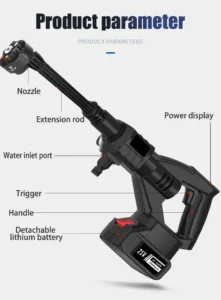
Summary & Quick Checklist
- DRAIN after EVERY use: Empty the machine and ALL hoses completely after each session.
- BRING IT INDOORS: Never leave the unit outside to freeze.
- NO HOT WATER (unless specified): Do not use hot water unless the machine is explicitly rated as “Hot Water.”
- WASH AT MIDDAY: Higher temperatures mean faster drying and lower risk.
- MIND SLIPPERY GROUND: Be cautious of water turning to ice. Watch your footing.
- DRY THE CAR COMPLETELY: Focus on seams and gaps to prevent frozen locks and doors.
Following these steps will maximize your safety and effectiveness when using a pressure washer in winter and help extend the equipment’s lifespan.