
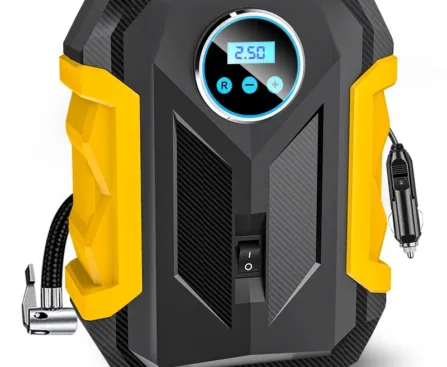
A 12V portable tire inflator is designed primarily for vehicle tires and small-to-medium volume inflatables, but its usefulness extends further than most people expect. The key limitation is flow rate (L/min) and duty cycle, not just max PSI — so what it can inflate depends on how much air volume is involved and whether the pressure required is within its ~80 PSI reliable range.
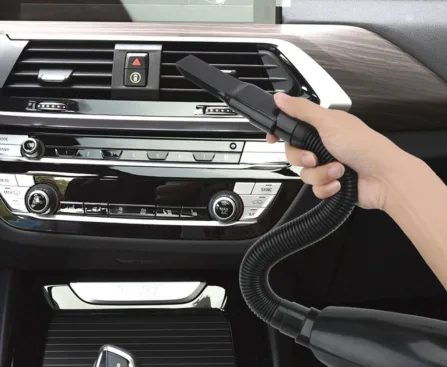
The answer depends on which type you have, but for the most common 12V cigarette lighter model, yes — start the engine. For cordless (lithium) models, no — the vac runs off its own battery. Here’s the breakdown and why it matters.
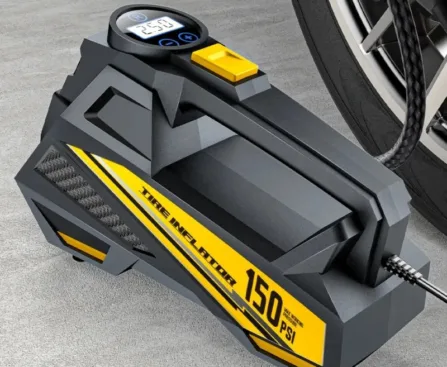
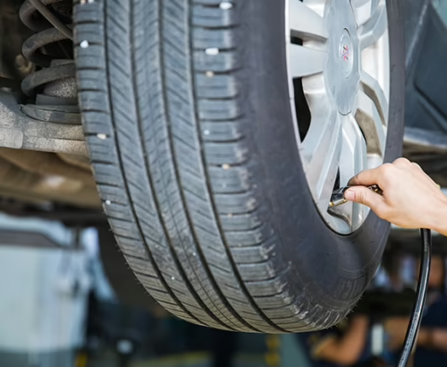
A portable 12V tire inflator (often called a cigarette lighter air compressor) is essentially a miniature direct-flow air compressor powered by your vehicle’s 12-volt DC electrical system. It does not store compressed air in a tank — it generates pressure on the fly and pushes it straight into the tire as long as the motor is running.
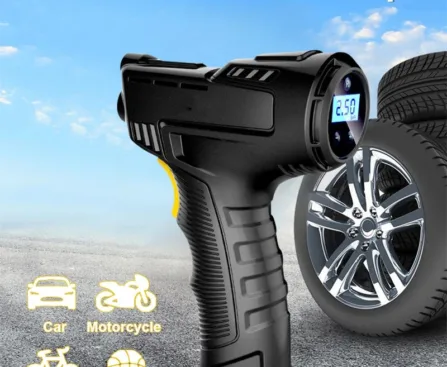
Portable car tire inflators (12V electric air pumps) and traditional manual bicycle pumps serve the same fundamental purpose—adding air to tires—but they differ dramatically in power source, effort, speed, accuracy, and suitability for different vehicles. Choosing between them depends on your primary use case: occasional car tire top-ups favor the electric inflator, while cyclists or minimalists may prefer the simplicity and reliability of a manual pump.
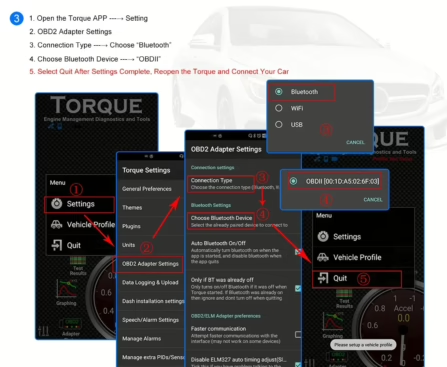
The P1064 is a P1xxx powertrain diagnostic trouble code, which makes it Manufacturer-Specific (OEM-Defined) — not an SAE/ISO generic code — so its exact “official definition” depends on the brand.
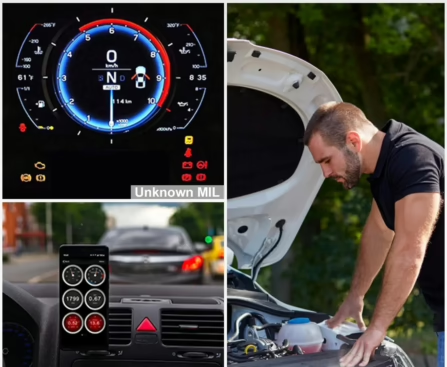
The P1063 is a P1xxx powertrain diagnostic trouble code, which makes it Manufacturer-Specific (OEM-Defined) — not an SAE/ISO generic code — so its exact “official definition” depends on the brand.
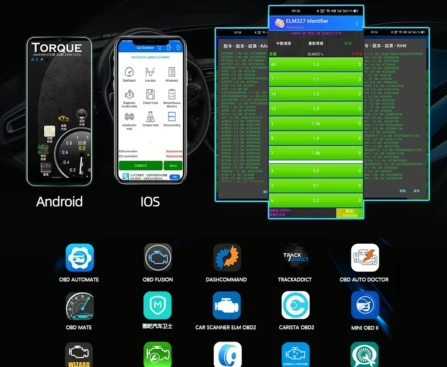
The P1062 is a P1xxx powertrain diagnostic trouble code, which makes it Manufacturer-Specific (OEM-Defined) — not an SAE/ISO generic code — so its exact “official definition” depends on the brand.