After entering summer, the temperature gradually rises, and tire blowouts are common. If the tire pressure is too high, blowouts are more likely to occur, so extra caution is needed. What is the appropriate tire pressure in summer?


Unlimited Choices, Easy Shopping
Unlimited Choices, Easy Shopping
After entering summer, the temperature gradually rises, and tire blowouts are common. If the tire pressure is too high, blowouts are more likely to occur, so extra caution is needed. What is the appropriate tire pressure in summer?
Tires are a very important part of a car. If the vehicle experiences low tire pressure during use, it not only makes the ride uncomfortable but also affects driving safety. This is when a car air pump comes in handy, allowing you to inflate the tires promptly and ensure the tire pressure stays within the specified range.
[Dash Cam Memory Card] What Size Dash Cam Memory Card Is Suitable and the Lifespan of a Dash Cam Memory Card.
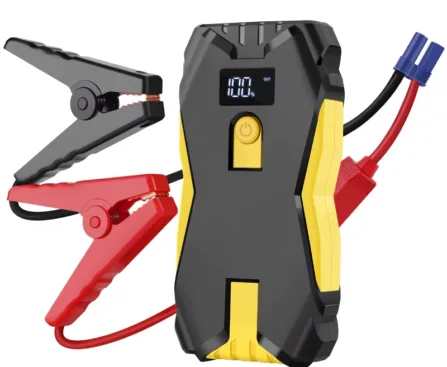
What is the principle of a car emergency jump starter? The working principle of a car emergency jump starter system mainly revolves around the inverter function, which is also the core function of the product. It includes charging, storing electricity, and more.

Especially if the tread is low, the structure is damaged, or it keeps leaking — that means the tire itself is damaged and needs to be replaced to ensure your safety on the road.
The emergency starting power supply for automobiles is a multifunctional portable power bank. Its characteristic function is to be able to start the car when it runs out of power or cannot be started due to other reasons. At the same time, it combines the inflation pump with emergency power supply, outdoor lighting and other functions, making it one of the essential products for outdoor travel.
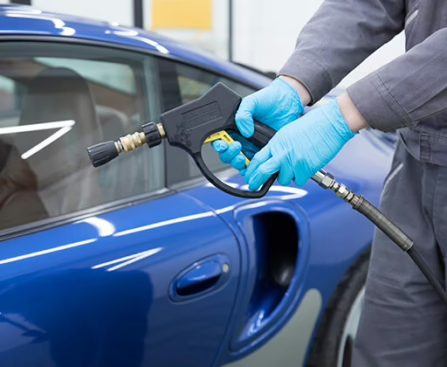
A car washer consists of a tank, air pump, exhaust valve, water outlet hose, handle switch, and spray brushes. It uses manual air pumping to create high pressure inside the tank, which is then sprayed through the water outlet hose either as a jet of water from the spray gun or as a mist of water from the spray brushes, achieving different cleaning purposes.
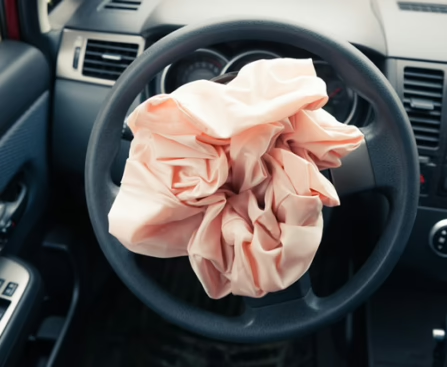
Airbags are extremely valuable, not only because they are disposable safety devices but also because they are expensive. Most importantly, they are devices that protect our lives in critical moments. Therefore, regular inspections of airbags are crucial, and any malfunctions must be addressed promptly.
We use cookies to improve your experience on our site. By using our site, you consent to cookies.
Websites store cookies to enhance functionality and personalise your experience. You can manage your preferences, but blocking some cookies may impact site performance and services.
Essential cookies enable basic functions and are necessary for the proper function of the website.
These cookies are needed for adding comments on this website.
Google Tag Manager simplifies the management of marketing tags on your website without code changes.
Statistics cookies collect information anonymously. This information helps us understand how visitors use our website.
Google Analytics is a powerful tool that tracks and analyzes website traffic for informed marketing decisions.
Service URL: policies.google.com (opens in a new window)
SourceBuster is used by WooCommerce for order attribution based on user source.