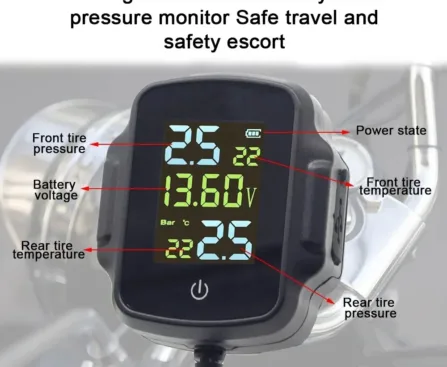
Tire Pressure Monitoring Systems (TPMS) enhance vehicle safety by alerting drivers to under-inflation. The core choice is between Direct TPMS (dTPMS) and Indirect TPMS (iTPMS). The optimal selection depends on a multifaceted analysis of your vehicle type, performance requirements, budget, and tolerance for maintenance.
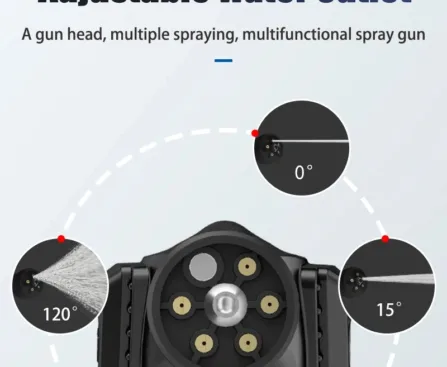
Properly adjusting the water pressure and selecting the correct nozzle for your car wash gun is essential for effective cleaning while protecting your vehicle’s finish. The process involves understanding your equipment’s controls and matching the spray pattern to the task.
The P011D is a generic OBD-II powertrain trouble code. Its official definition is “Charge Air Cooler Temperature/Intake Air Temperature Correlation Bank 2”.
The P011C is a generic OBD-II powertrain trouble code. Its official definition is “Charge Air Cooler Temperature/Intake Air Temperature Correlation Bank 1”.
Fault code B0079, applicable to all vehicle manufacturers, means “Driver Seatbelt Pretensioner B Deployment Control (Subfault)”.
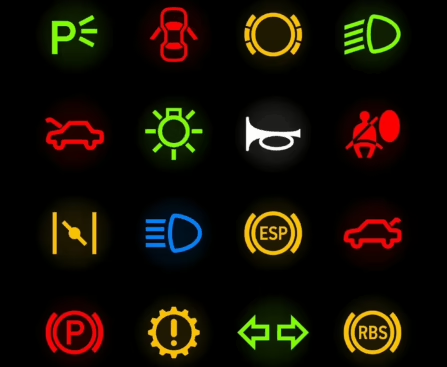
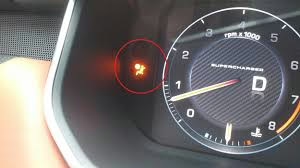
The airbag light indicates that the system has detected a fault. Without a professional OBD2 diagnostic tool, you can try the following emergency methods to reset the warning light. However, please note that these methods may only temporarily clear the warning and do not fix the root problem. If the light remains on or comes back on repeatedly, you must seek professional inspection as soon as possible.
Fault code P00B8, applicable to all vehicle manufacturers, indicates “MAP – Mass or Volume Air Flow Correlation (Bank 2).” This means the Engine Control Unit (ECU) has detected an excessive discrepancy between the load calculated by the Manifold Absolute Pressure (MAP) sensor and the load calculated by the Mass Air Flow (MAF) sensor for the second bank of cylinders.
The B0085 is a generic OBD-II (Onboard Diagnostics II) trouble code. Its official definition is “Left Front Side Impact Sensor Fault”.