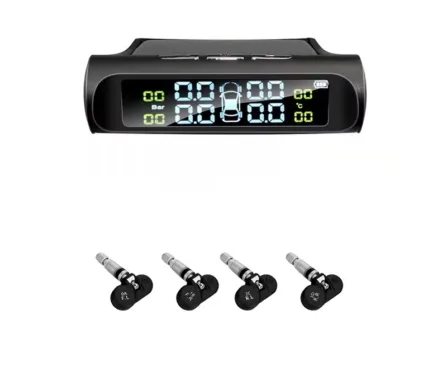
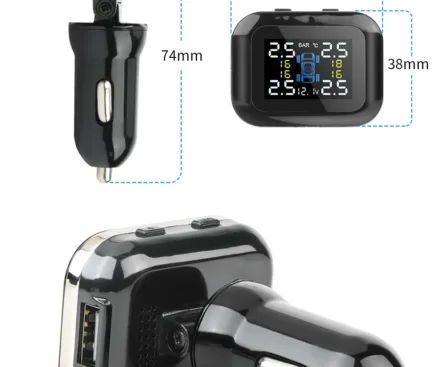
Replacing the sensors on an aftermarket cigarette lighter TPMS (Tire Pressure Monitoring System) involves two distinct phases: the physical replacement of the sensor hardware inside each tire, and the electronic pairing/relearning of the new sensors to the display unit. The process requires basic mechanical skill for tire work and careful attention to the specific relearn procedure for your TPMS kit. It is highly recommended to have a professional tire shop handle the tire dismounting and sensor installation to avoid damage; the pairing process can often be done by the user.
Fault code B007B, applicable to all automobile manufacturers, means “Second Row Left Seatbelt Pretensioner B Deployment Control (Subfault)”.
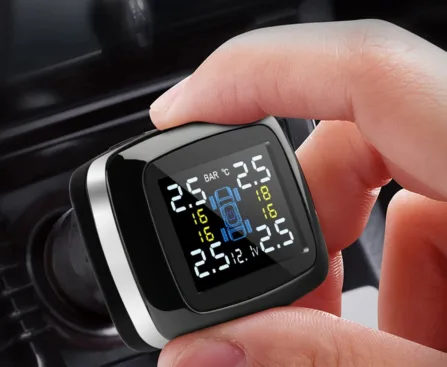
This question contains a common point of confusion. The TPMS sensors themselves are not connected to the cigarette lighter. The cigarette lighter port is used by a separate TPMS receiver or display unit. Therefore, the answer addresses two distinct components: the wireless tire-mounted sensors (which can be susceptible to damage) and the plug-in receiver (which is generally robust).
Fault code B007A, applicable to all vehicle manufacturers, means “Passenger Seatbelt Pretensioner B Deployment Control (Subfault)”.
A cigarette lighter TPMS with 4 sensors – do the 4 sensors correspond to the four tires of the vehicle? Can they be installed freely, or must they correspond to specific front, rear, left, or right tires?
When using a high-pressure car washer (car washing gun) in winter, special attention needs to be paid to antifreeze measures, equipment protection, and personal safety due to the low-temperature environment.
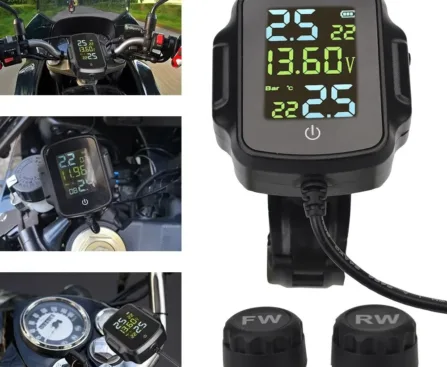
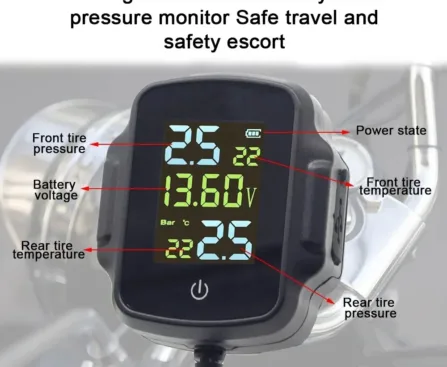
The question of whether a motorcycle needs a Tire Pressure Monitoring System (TPMS) is fundamentally about risk management. Given the severe consequences of incorrect tire pressure on a motorcycle’s stability and safety, a strong case for necessity can be made. However, this necessity is not absolute for every rider in every scenario; it is a spectrum defined by the level of risk mitigation required and the capabilities of the available technology.
Tire Pressure Monitoring Systems (TPMS) enhance vehicle safety by alerting drivers to under-inflation. The core choice is between Direct TPMS (dTPMS) and Indirect TPMS (iTPMS). The optimal selection depends on a multifaceted analysis of your vehicle type, performance requirements, budget, and tolerance for maintenance.