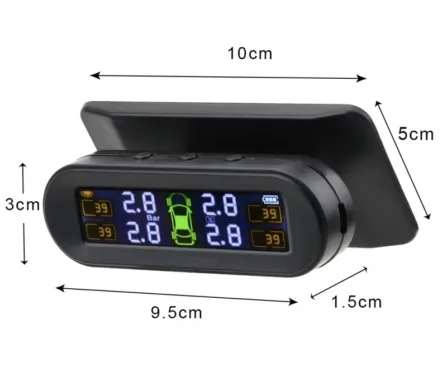
To definitively determine whether the problem lies with your vehicle’s electrical system or the TPMS display unit hardware, you must perform a systematic isolation test. The core diagnostic principle is to test the display unit in a known-good vehicle and test a known-good device in your vehicle’s power socket. A failure that follows the display unit points to a hardware fault, while a problem that persists in your vehicle’s socket with a different device indicates an electrical system issue.

Although steam is very suitable for disinfecting and deeply cleaning many surfaces, a car dashboard is a complex component made of sensitive materials and electronic devices, which can be easily damaged by high temperatures and moisture. For most drivers, the potential risks of using a steam cleaner usually outweigh the benefits.
Determining if your steering wheel stitching is completely dry requires a multi-step verification process, as the surface can feel deceptively dry while moisture remains trapped deep within the threads and leather backing. Failing to ensure it’s fully dry can lead to mildew, musty odors, and long-term damage to the leather. Here is a systematic guide to confirm it’s safe to use.
Fault code B0081 is a standardized OBD-II body (B) code. Its official SAE definition is “First Row Center Seatbelt Load Limiter Deployment Control (Subfault)” .
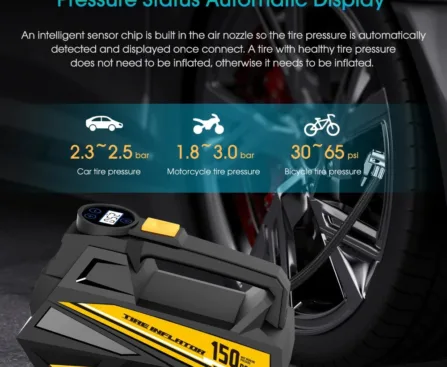
A 12V cigarette lighter air compressor, commonly known as a portable tire inflator or mini air compressor, is a compact, electrically-powered device designed to inflate tires and other inflatables using your vehicle’s 12-volt electrical system. It plugs directly into your car’s standard cigarette lighter socket (also called a 12V accessory outlet), making it an essential piece of emergency and maintenance gear for any driver.
Fault code P00BE, applicable to all vehicle manufacturers, indicates “Mass or Volume Air Flow ‘B’ Circuit Range/Performance – Air Flow Too Low” . This generic powertrain code signifies that the Powertrain Control Module (PCM) has detected that the signal from the Mass Air Flow (MAF) sensor’s “B” circuit is outside the expected range, specifically indicating insufficient airflow readings .
Fault code B0080 is a standardized OBD-II code applicable to all automobile manufacturers. Its precise definition is “Driver Seatbelt Load Limiter Deployment Control (Subfault)”. This code indicates a malfunction specifically within the circuit or component of the load limiter for the driver’s seatbelt, a critical part of the vehicle’s Supplemental Restraint System (SRS) that works in tandem with airbags and pretensioners.
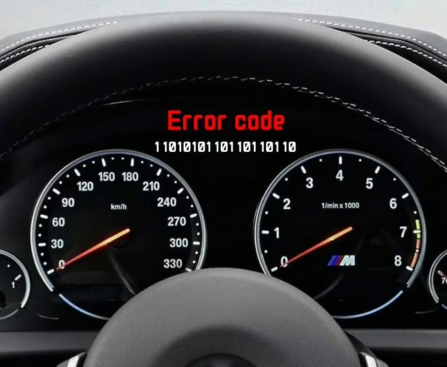
Yes, you can continue to drive the vehicle, but you must immediately perform a manual check of all tire pressures using a reliable tire pressure gauge. A garbled or scrambled display on an aftermarket cigarette lighter TPMS monitor indicates a failure of that specific display unit or its connection, not necessarily a problem with your tires or the sensors themselves. Your primary safety concern is the actual tire condition, not the faulty display.