
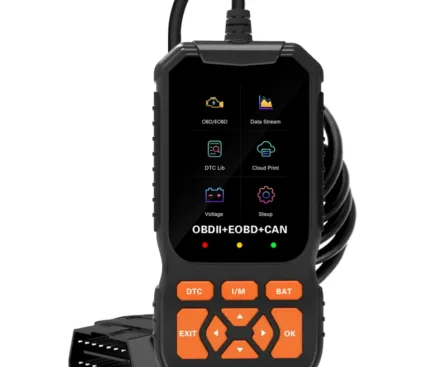
The P0074 fault code, applicable to all car manufacturers, means “Ambient Air Temperature Sensor Circuit Intermittent”.
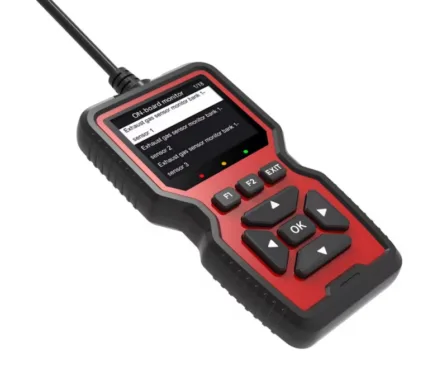
The P0073 fault code, applicable to all car manufacturers, means “Ambient Air Temperature Sensor Circuit High”.

ADAS dashcams combine the ADAS system with a dashcam to improve driving safety. These dashcams differ from ordinary dashcams. The main differences lie in their functions and hardware; ADAS dashcams offer more features and have higher hardware requirements.
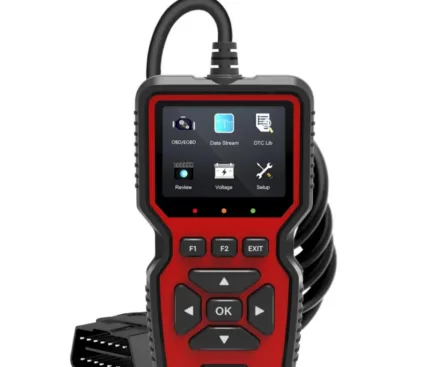
The P0072 fault code, applicable to all car manufacturers, stands for “Ambient Air Temperature Sensor Circuit Low.”

Many car owners choose to wash their cars at home. However, when using ordinary towels to wipe the car, they find that dust and grime are difficult to remove, and watermarks remain on the surface, which is unsightly. Using a specialized car wash towel, however, can achieve a clean, streak-free finish. So, what materials are best for car wash towels on the market? How do you choose one? Let’s find out.
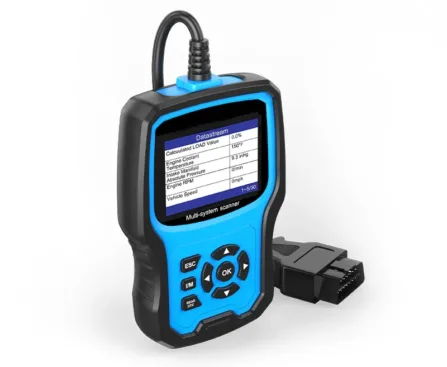
The P0071 fault code, applicable to all car manufacturers, stands for “Ambient Air Temperature Sensor Range/Performance.”
The P0070 fault code, applicable to all car manufacturers, stands for “Ambient Air Temperature Sensor Circuit”.

A car’s starting system converts the electrical energy from the battery into mechanical energy to start the engine. The system consists of a battery, ignition switch, starter relay, and starter motor. How do you repair a car’s starting system if it malfunctions? Let’s take a closer look.