
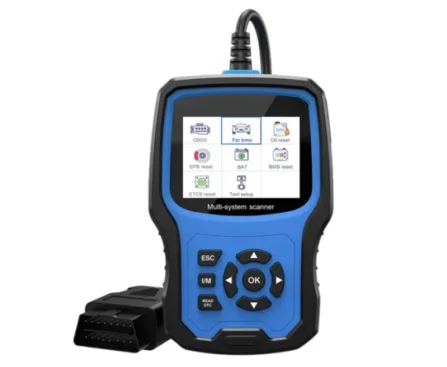
The P0095 trouble code, applicable to all vehicle manufacturers, means “Intake Air Temperature Sensor 2 Circuit (Bank 1).”
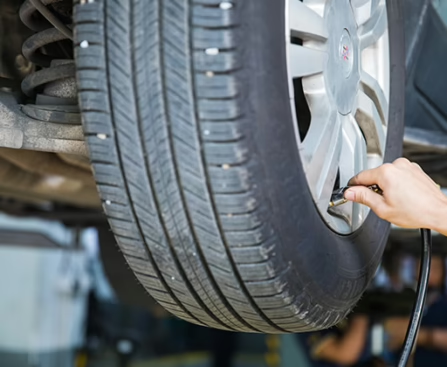
Replacing tires is indeed a skilled task that directly relates to driving safety. Understanding the process thoroughly before starting is very important. Below, I’ve outlined the complete considerations for you, from determining when to replace, to selecting and installing new tires.
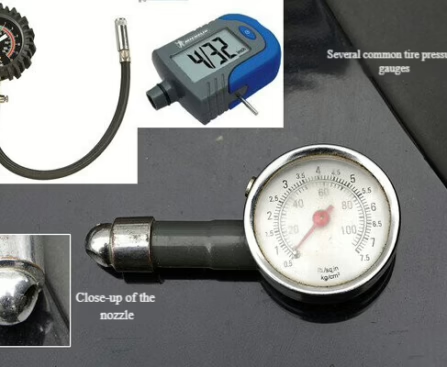
A tire pressure gauge is an essential tool for monitoring tire pressure, and it mainly comes in three common types: digital, dial, and stick/pencil gauges. They differ in their working principles, reading accuracy, and user experience.
Maintaining proper tire pressure is like wearing well-fitting, comfortable shoes. Overinflated tires not only make your ride bumpy but also create safety hazards and shorten tire life. Taking a few minutes each month to check tire pressure is extremely beneficial for safety, comfort, and your wallet.
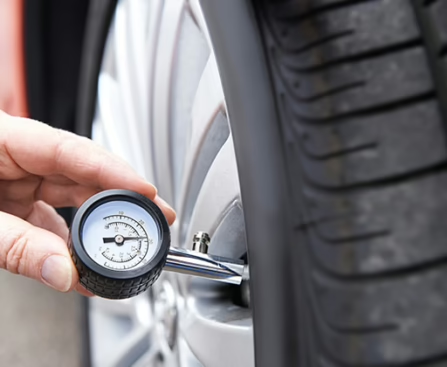
Maintaining correct tire pressure is essential for your safety, your vehicle’s fuel efficiency, and the longevity of your tires. Here is a clear, step-by-step guide on how to use an air pump at a petrol station.
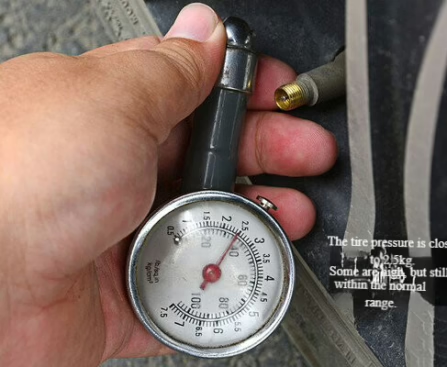
The most reliable way to determine if a car tire is fully and properly inflated is to use a tool to measure the tire pressure, combined with visual inspections and driving sensations for a comprehensive assessment.

Especially if the tread is low, the structure is damaged, or it keeps leaking — that means the tire itself is damaged and needs to be replaced to ensure your safety on the road.
Using an air compressor to inflate a car tire is a straightforward process. Here is a step-by-step guide to help you do it safely and effectively.