Replacing TPMS sensors with tires: What to watch for?

When replacing both the tire and the TPMS sensor, the core requirements—protecting the new hardware and ensuring proper electronic registration—apply universally. However, the process for a non-integrated, third-party TPMS system (a standalone kit with its own display) differs significantly from a vehicle’s integrated factory system in the areas of sensor compatibility, pairing method, and configuration tools. The primary distinction is that the new sensor must be paired with the system’s independent display unit, not the vehicle’s on-board computer.
Error Code P010F Causes, Symptoms, and Fixes

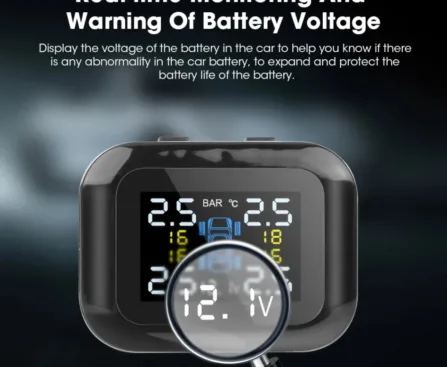
Fault code P010F is a generic OBD-II diagnostic trouble code defined as “Mass or Volume Air Flow Sensor A/B Correlation.” This indicates that the vehicle’s Powertrain Control Module (PCM) has detected a significant discrepancy or inconsistency between the readings from two separate Mass Air Flow (MAF) or Volume Air Flow (VAF) sensors, typically labeled Sensor A and Sensor B.

Symptoms, Causes, Diagnosis, and Repair of P010E Fault Code

Fault code P010E is a generic OBD-II diagnostic trouble code defined as “Mass or Volume Air Flow Sensor B Circuit Intermittent/Erratic.” This indicates that the vehicle’s Powertrain Control Module (PCM) has detected an unstable, fluctuating, or sporadic signal from the secondary circuit (“Circuit B”) of the Mass Air Flow (MAF) sensor. Unlike hard circuit faults (low or high), an intermittent fault means the signal is unstable, dropping out, or spiking unpredictably .

Vehicle Fault Code P010D Diagnostic Guide

Fault code P010D is a generic OBD-II diagnostic trouble code defined as “Mass or Volume Air Flow Sensor B Circuit High Input.” This indicates that the vehicle’s Powertrain Control Module (PCM) has detected that the voltage or frequency signal from the secondary circuit (“Circuit B”) of the Mass Air Flow (MAF) sensor is consistently above the expected normal operating range for a specified period .