
What is the P00A1 Trouble Code?
P00A1 is a generic diagnostic trouble code (DTC) applicable to all vehicle manufacturers, meaning “Charge Air Cooler Temperature Sensor Circuit Range/Performance (Bank 2).”
Background Knowledge: A turbocharger uses the inertial force of the engine’s exhaust gases to drive a turbine, which in turn drives a coaxial impeller to compress the intake air, thereby increasing engine power. The charge air cooler (also known as an intercooler) is used to cool the compressed air exiting the turbocharger. After passing through the turbo, the air pressure increases and its temperature rises. The charge air cooler reduces the temperature of this compressed air, increasing air density and improving volumetric efficiency, with the goal of enhancing engine power and reducing emissions. This code is set when the powertrain control module (PCM) detects a performance issue or signal implausibility in the charge air cooler temperature sensor circuit for Bank 2. Potential causes include the sensor itself, its circuit, connector problems, or issues with the charge air system integrity.
Symptoms of the P00A1 OBD-II Trouble Code
When the P00A1 code is stored, the driver may notice a range of symptoms. The severity of these issues can vary from mild to significant, depending on the nature of the fault and the vehicle’s safety protocols. Typical symptoms include:
- Check Engine Light illuminated
- Decreased engine power, especially under load or acceleration
- Poor or hesitant throttle response
- Increased exhaust smoke in turbo-diesel applications
- Engine enters a limp or failsafe mode
- Reduced fuel efficiency
- Difficulty starting in extreme weather conditions
Common Causes of the P00A1 OBD-II Trouble Code
Several factors can trigger the P00A1 code. The most frequent causes, ordered by likelihood, are:
- Faulty charge air cooler temperature sensor (aged sensor, shorted or open circuit)
- Damaged, corroded, or loose wiring/connectors in the sensor circuit
- Intermittent sensor ground or signal reference
- Intake air leak before or after the charge air cooler
- Clogged or internally contaminated charge air cooler (intercooler)
- PCM/ECM failure (rare, but possible if all other conditions are normal)
Step-by-Step Diagnosis for Code P00A1
Diagnosing P00A1 requires a systematic approach, starting with basics and moving to more advanced checks as needed. Here is a recommended procedure:
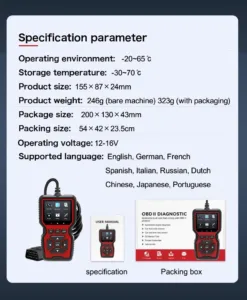
- Verify Code and Freeze Frame Data: Use an OBD2 scanner to check if P00A1 exists and record the conditions when it is set.
- Inspect Sensor and Harness: Locate the charge air cooler temperature sensor (typically near or mounted on the intercooler). Check for obvious damage, bent pins, loose connections, or corrosion.
- Check Wiring Continuity: Use a multimeter to check the wiring integrity between the sensor and the ECM/PCM. Look for shorts to ground, shorts to power, or open circuits.
- Test Sensor Resistance: Consult the vehicle service manual for the correct resistance range at specific temperatures. Replace the sensor if readings are out of specification.
- Check for Air Leaks or Intercooler Blockage: A boost leak test on the intake system may reveal leaks, while visual inspection might show contamination or blockage.
- Clear Code and Road Test: After repairs, clear the code and use the scan tool to monitor live data, confirming readings are normal during operation.
- If the Problem Persists, Test PCM/ECM: Only after all other checks, consider PCM/ECM diagnostics or reprogramming as suggested by OEM procedures.
Possible Repairs for Code P00A1
The proper fix always depends on your diagnostic findings. Typical solutions targeting the root cause include:
- Replacing the defective charge air cooler temperature sensor
- Repairing or replacing damaged wiring/connectors in the sensor circuit
- Securing or cleaning sensor connections and grounds
- Fixing intake air leaks (replacing hoses, clamps, or gaskets as needed)
- Cleaning or replacing a clogged or contaminated charge air cooler (intercooler)
- In rare cases, repairing or replacing the PCM/ECM with necessary programming
Common Vehicles Affected by Code P00A1
This code is most common on modern turbocharged or supercharged vehicles (both diesel and gasoline). The following brands and models are often associated with P00A1:
- Ford F-Series, Focus, Transit (EcoBoost engines)
- Chevrolet Cruze, Silverado, Colorado (turbo engines)
- Volkswagen Golf, Jetta, Passat (TSI and TDI models)
- BMW 3 Series, 5 Series (N20/N47 engines)
- Mercedes-Benz C-Class, E-Class (BlueTEC and gasoline turbo)
- Toyota Hilux, Land Cruiser (turbo diesel)
- Ram 2500/3500 (Cummins turbo diesel)
FAQs About Code P00A1
Severity of the P00A1 OBD-II Trouble Code
The severity level of the P00A1 code is moderate.
Can a Dirty Air Filter Cause P00A1?
Not directly. While a clogged air filter can affect overall engine airflow, P00A1 specifically relates to the temperature sensor circuit or charge air system integrity.
Will Clearing the Code Fix the Problem?
Deleting the code without fixing the underlying fault does not resolve the problem. The code will return if the root cause persists.
Where is the Charge Air Cooler Temperature Sensor Located?
The sensor is typically located near the intercooler or within the intake piping, depending on the vehicle’s design.
Do I Need to Replace the PCM If I Have a P00A1 Code?
PCM replacement is rare and should only be considered after all other possible causes are ruled out, as it is typically a last step in the diagnostic process.
Will This Code Go Away On Its Own?
In some cases, if the issue was temporary—like a loose connector or brief overheat—resetting the ECU and driving may clear it. However, persistent issues will likely cause it to reappear.
Can I Continue Driving With This Code?
Driving for a short while is possible but not recommended. The code indicates a potential engine performance issue that could worsen over time, especially if the sensor or wiring is damaged.
Why Does the Code Return After Clearing?
If the underlying problem—such as damaged wiring or a faulty sensor—remains unresolved, the ECU will detect the issue again and flag the fault. Proper diagnosis and repair are crucial to prevent recurrence.
Is the Charge Air Cooler Temperature Sensor Essential for the Engine?
Yes, because it informs the engine about the temperature of the air entering it, allowing adjustments to fuel injection timing.
How Can I Avoid Getting a P00A1 Code?
Regular maintenance of the charge air cooler temperature sensor and intercooler can help you avoid encountering a P00A1 trouble code.
Cost to Fix P00A1
The typical cost to address a P00A1 trouble code related to the Bank 2 Charge Air Cooler Temperature Sensor Circuit Range/Performance will vary based on the specific cause of the issue. Generally, replacing a faulty sensor and repairing damaged wiring or connectors, including parts and labor, can range from 500. However, it’s important to note that auto repair shop diagnostic time and labor rates can differ based on location, vehicle model, and engine type. It’s recommended to consult a local shop for a more accurate quote tailored to your specific situation. Labor rates typically range from 150 per hour but can be higher at dealerships or in metropolitan areas, while independent shops may offer lower rates.
P00A1 Related Trouble Codes:
- P00A0 – Charge Air Cooler Temperature Sensor Circuit (Bank 2)
- P00A2 – Charge Air Cooler Temperature Sensor Circuit Low (Bank 2)
- P00A3 – Charge Air Cooler Temperature Sensor Circuit High (Bank 2)
- P00A4 – Charge Air Cooler Temperature Sensor Circuit Intermittent/Erratic (Bank 2)
In conclusion, understanding the signs and causes of the P00A1 code can help you avoid more serious problems with your vehicle. If you experience related symptoms, it’s advisable to take your vehicle to a trusted mechanic who can properly diagnose and repair a P00A1 trouble code. Remember, maintaining your vehicle’s diagnostic system is crucial for optimal engine performance, durability, and safety.