
What does the P009C trouble code mean?
The P009C trouble code, applicable to all car manufacturers, means “Fuel Pressure Relief Control Circuit Low“.
Background Information: The fuel system overpressure relief valve’s function is to release fuel line pressure when the pressure becomes too high due to a clogged fuel filter, blocked lines, etc. This trouble code will appear if the fuel pressure relief control circuit voltage is below the calibrated minimum value.
Common Symptoms of Code P009C
When code P009C is set, drivers may experience various symptoms related to fuel supply and engine performance. The severity of these symptoms varies, ranging from subtle changes in engine behavior to noticeable driving problems. Early detection and action can help prevent further complications.
- Engine malfunction indicator light illuminates
- Engine hesitation or stumbling during acceleration
- Reduced engine power or limp mode activation
- Difficulty starting or extended cranking time
- Poor fuel economy
- Unstable idle or engine misfires
- In rare cases, stalling, especially at low RPMs
Possible Causes of Code P009C
The most common cause of P009C is an electrical or component failure within the fuel pressure relief control system. The problem can be as simple as a loose connector or as complex as a control module failure. Understanding the order of possibilities helps narrow down the diagnosis and repair scope.
- Faulty fuel pressure relief valve or solenoid
- Damaged, corroded, or loose wires/connectors in the fuel pressure relief control circuit
- Open or short circuit (broken wire or ground fault)
- Blown fuse related to the fuel or electronic control/PCM circuit
- ECM/PCM failure (rare, but possible)
How to Diagnose a P009C Fault
A systematic approach is crucial for diagnosing P009C, as randomly replacing parts can be costly and ineffective. Always perform basic visual and electrical checks before proceeding with component testing or advanced diagnostics.
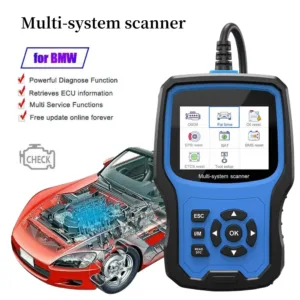
Step 1: Use an OBD2 scanner tool to confirm P009C and check for related trouble codes (especially fuel system or circuit fault codes).
Step 2: Inspect the fuel pressure relief valve/solenoid and its electrical connector for signs of corrosion, damage, or looseness.
Step 3: Visually inspect the wiring harness for signs of chafing, broken wires, or rodent damage.
Step 4: Test the fuel pressure relief valve/solenoid with a multimeter to confirm that the resistance is normal and within factory specifications.
Step 5: Check the relevant fuses for continuity; replace if blown.
Step 6: If all components and wiring are normal, perform continuity and voltage drop tests from the ECM/PCM to the valve.
Step 7: As a last resort, consider ECM/PCM testing or reprogramming, but only after ruling out all other possibilities.
How to Fix P009C
To fix the P009C trouble code related to low voltage in the vehicle’s fuel pressure relief control circuit, follow these steps:
- Check the fuel pressure relief control circuit for damaged or loose wiring.
- Check the fuel pressure relief control solenoid for proper operation and replace if necessary.
- Check the fuel pressure sensor function and replace if faulty.
- Clear the trouble code with a diagnostic scanner and monitor the system for recurrence.
- If the problem persists, seek further diagnosis and repair from a professional technician.
Vehicles Most Commonly Affected by P009C
P009C is a generic OBD-II code, but it is most commonly reported in diesel and gasoline vehicles equipped with electronic fuel pressure relief systems. Certain makes and models are more prone to this issue due to their specific fuel system design.
- Ford F-Series (diesel and gasoline versions)
- Chevrolet Silverado/GMC Sierra (especially Duramax diesel models)
- Ram 2500/3500 (Cummins diesel and some gasoline engines)
- Toyota Tundra and Tacoma (certain years equipped with electronic fuel systems)
- BMW and Mercedes-Benz diesel models
- Volkswagen/Audi TDI engines
P009C Frequently Asked Questions
Can a problem with the fuel pressure relief circuit damage my engine?
If left unaddressed, improper fuel pressure control can lead to rough running, stalling, and long-term engine or fuel system damage.
Is it safe to drive with code P009C?
It is not recommended to drive for extended periods with code P009C. Although the vehicle may still operate normally in some situations, continued driving could lead to decreased engine performance, stalling, and an increased risk of damage to the fuel system or engine. If the symptoms are severe—such as significant loss of power or stalling—it’s best to avoid driving until repairs are completed. Otherwise, limit driving time and only drive to a repair center.
Can I continue driving after clearing the fault code?
Clearing the fault code may temporarily turn off the engine light, but the underlying problem will likely reappear. Proper diagnosis and repair are crucial for safe and reliable operation.
How serious is the P009C code?
The P009C code is classified as urgent, indicating that immediate action is required. Ignoring this code can lead to serious engine damage and pose a safety risk to the driver and passengers.
How much does it cost to diagnose the code?
Diagnosing the P009C code typically requires 1.0 hour of labor. Rates vary depending on location, vehicle, and repair shop. Many shops charge between $80 and $150 per hour; dealerships and metropolitan areas may have higher rates, while independent shops may be lower.
How much does it cost to fix the P009C code?
The cost to fix the P009C code will vary depending on the underlying problem and labor rates in your area. Basic repairs, such as replacing a faulty fuel pressure regulator, may cost between $100 and $300, while larger repairs involving the PCM or fuel pump could range from $300 to $1000 or even more. Therefore, it’s recommended to consult a local repair shop for a more accurate estimate based on your vehicle’s make and model before proceeding with repairs.
Can I fix the P009C code myself?
While some DIY enthusiasts may attempt to fix the P009C code, it’s recommended to seek professional help, especially if you lack automotive repair experience. Proper diagnosis is crucial, as simply replacing parts without understanding the problem can lead to further issues.