
Using the right products and techniques to clean your car’s dashboard is essential for maintaining its appearance and preventing damage. Here is a practical guide to help you get started.
Essential Cleaning Tools and Materials
You’ll need a few basic items to clean your dashboard effectively. The table below summarizes the essentials.
Tool/Material | Primary Use | Key Considerations |
|---|---|---|
Microfiber Cloths | Wiping surfaces without scratching; highly absorbent and lint-free. | Use different cloths for dusting, applying cleaner, and drying to avoid cross-contamination. |
Soft-Bristle Brushes | Dislodging dust from air vents, buttons, and intricate crevices. | A detailing brush or a soft-bristled toothbrush works well. |
Mild Cleaning Solution | Cleaning various dashboard surfaces (plastic, vinyl, leather). | Use a pH-neutral, ammonia-free interior cleaner. A mild soap (e.g., dish soap) and water solution is a safe DIY option. |
Cotton Swabs | Precise cleaning of tight spaces around buttons and narrow crevices. | Dip in a small amount of cleaner for targeted application. |
Isopropyl Alcohol (Diluted) | Effectively removing sticky residue or grease. | Use sparingly and test on a hidden area first, as it can dry out some materials like leather. |
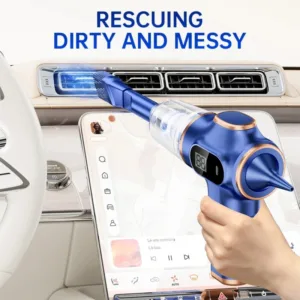
In addition to the essential tools mentioned above, you might also need to prepare a car vacuum cleaner for partial dust removal.
A Step-by-Step Cleaning Process
For the best results, follow these steps in order.
- Preparation: Start by removing loose items from the dashboard. Use a vacuum with a brush attachment or a soft-bristled brush to remove loose dust and debris from the surface and crevices. This prevents scratching during the wiping process.
- Apply Cleaner: Spray your chosen cleaning solution onto a microfiber cloth, not directly onto the dashboard. This prevents overspray from seeping into sensitive electronics like vents or screens.
- Wipe Down: Wipe the dashboard gently in circular motions or follow the grain of the material, working in sections. For tight spots like air vents and button panels, use a soft-bristled brush or cotton swabs.
- Dry and Buff: After cleaning, use a clean, dry microfiber cloth to wipe the surface again. This step removes any leftover moisture and prevents streaking, leaving a clean, matte finish.
Important Tips for Different Materials
The right approach depends on your dashboard’s material.
- For Plastic/Vinyl Dashboards: These are common and durable. Avoid harsh chemicals like ammonia or bleach, which can cause cracking or discoloration. After cleaning, you can apply a UV protectant spray to prevent sun damage and fading.
- For Leather Dashboards: Use a cleaner and conditioner specifically designed for leather. Avoid alcohol-based or all-purpose cleaners, as they can dry out the leather and cause it to crack. Condition after cleaning to keep the leather supple.
- General Warning: Never use glass cleaner on your dashboard, as its chemicals are too harsh for interior surfaces and can damage them.
A Simple Homemade Cleaner
For a natural and effective cleaner, you can make your own solution:
- Mix 1 cup of warm water with a few drops of mild dish soap.
- For extra cleaning power, add one tablespoon of white vinegar.
- Always test the solution on a small, hidden area of the dashboard first to ensure compatibility.
By using the right tools for each task and following a logical sequence, you can efficiently achieve a clean and fresh car interior. For maintaining this cleanliness, a quick wipe-down every few weeks is recommended.