What does the P008B fault code mean?
The P008B fault code applies to all vehicle manufacturers and means “Low Pressure Fuel System Pressure – Too High.”
Background: The low-pressure fuel pump (40-95 psi) is responsible for delivering fuel from the tank to the high-pressure fuel pump. The camshaft-driven high-pressure fuel pump can pressurize fuel up to 1900 psi. The fuel system requires constant pressure; if pressure is too low, the fuel injectors spray weakly or not at all, and if pressure is too high, it can damage fuel lines or injectors. This code indicates that the Engine Control Unit (ECU) has detected that the low-pressure fuel system pressure exceeds the calibrated maximum value for a set period. High pressure can be caused by issues with the fuel pressure regulator, fuel line blockages, fuel pressure sensor, fuel pump control module, etc.
What are the symptoms of the OBD-II code P008B?
The presence of code P008B can cause subtle or noticeable changes in vehicle behavior. Drivers may notice performance fluctuations or even a lack of power, while technicians may identify more precise indicators during diagnostics. The most common symptoms include:
- Check Engine Light (CEL) illuminated
- Engine may run roughly or sluggishly during acceleration
- Reduced engine power (“Limp Mode”)
- Poor fuel economy
- Delayed or extended engine cranking time
- Occasional stalling or misfires
What causes the OBD-II code P008B?
Various problems can cause the low-pressure side fuel pressure to exceed safe limits. Modern vehicles are highly precise, and even minor abnormalities can trigger this code. The most common causes, listed in order of frequency, are:
- Faulty fuel pressure regulator (stuck closed or malfunctioning)
- Faulty fuel pressure sensor (sending incorrect values to the ECM)
- Restricted or kinked fuel return line (preventing excess pressure release)
- Electrical issues (short circuit, open circuit, or poor connections in the pressure sensor circuit)
- ECM software or calibration error (rare, but possible due to updates or damage)
- Clogged fuel filter (can cause a pressure surge upstream)
How to diagnose code P008B?
Diagnosing P008B requires a methodical approach to ensure simple fixes or deeper issues are not overlooked. The following workflow is recommended for technicians and advanced DIYers:
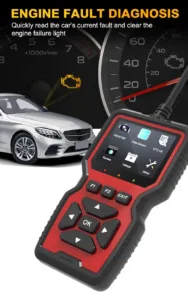
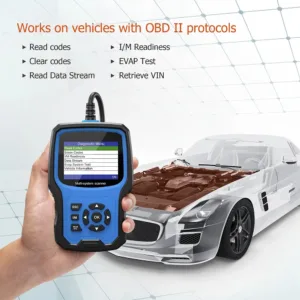
- Verify the code:Use an OBD2 scanner to confirm P008B and check for any related fault codes (especially fuel system or sensor fault codes).
- Visual inspection: Check fuel lines and connectors for damage, kinks, or leaks, especially on the return side.
- Check fuel pressure: Measure the low-pressure fuel system using a suitable pressure gauge and compare with factory specifications.
- Test the fuel pressure sensor: Compare scan tool readings with actual gauge pressure; inspect wiring and connectors for damage or corrosion.
- Inspect the fuel pressure regulator: Ensure it is functioning correctly, not stuck or clogged.
- Evaluate the ECM: If all hardware tests pass, consider potential ECM calibration issues or software updates (refer to OEM service bulletins).
How to repair the OBD-II code P008B
- When you see code P008B, the first step is to inspect the fuel system components that could be causing the fault. Check the fuel filter and replace it if necessary. A clogged filter can reduce fuel flow to the high-pressure pump, leading to abnormal fuel pressure.
- You can also inspect the fuel pump and replace it if needed. The fuel pump may fail due to age and wear, fuel contamination, or a faulty fuel pump driver module. If the fuel pump is the issue, it must be replaced to prevent potential damage to the engine or transmission.
- Another possible cause of P008B is a faulty fuel pressure sensor, which may require calibration or replacement for repair. If the fuel pressure sensor is found to be faulty, disconnect the fuel line and remove the sensor. Check the fuel lines for blockages and clean them if necessary. When reassembling the fuel system components, ensure all connections are tight and leak-free.
Vehicles most commonly affected by code P008B?
Although P008B is a universal OBD-II code, it appears more frequently in certain models or platforms, especially those with advanced fuel delivery systems. The following vehicle types and brands are reported to have this code more often:
- Ford (F-150, Fusion, Transit with EcoBoost engines)
- Chevrolet/GMC (Silverado, Sierra, Equinox)
- Mercedes-Benz (C-Class, E-Class diesel models)
- BMW (diesel and turbocharged gasoline engines)
- Volkswagen/Audi (TDI models)
P008B Code Quick FAQ
Will my car fail emissions due to P008B?
Yes, if your state requires an OBD-II readiness check, this code will typically cause a failure because the Check Engine Light is on.
Can a bad fuel filter cause P008B?
Yes, a clogged fuel filter can sometimes increase upstream pressure, potentially causing this fault, though it is less common than regulator or sensor issues.
Can I still drive with the P008B code present?
When you detect the P008B fault code, it is not recommended to continue driving. The code indicates overpressure in the fuel system, which can cause engine performance issues. Continuing to drive may lead to more severe damage and potentially costly repairs.
How much does it cost to fix P008B?
The cost to repair P008B depends on various factors, such as the cause of the fault and whether you choose to DIY or seek professional help. For DIYers, replacing a fuel filter or sensor may cost between 200, while replacing a fuel pump can cost up to $1000.
How often should I replace my fuel filter?
Most manufacturers recommend replacing the fuel filter every 12,000 to 15,000 miles. However, always consult your vehicle’s owner’s manual for the specific recommended maintenance schedule.
Can I reset the P008B code without fixing the problem?
Resetting the P008B code without addressing the underlying issue is likely only a temporary solution. The fault code will likely reappear when the fuel system encounters the same problem again. It is recommended to solve the root cause to avoid potential damage to the engine or transmission.
Summary: Code P008B indicates a problem with the low-pressure fuel system, which can cause high-pressure fuel issues in the vehicle. Symptoms associated with P008B include reduced engine performance, intermittent misfires, stalling during acceleration, difficulty starting or failure to start, and increased exhaust emissions. If you notice these symptoms or see the Check Engine Light illuminated, be sure to inspect the fuel system components that may be causing the fault. Always adhere to your vehicle’s maintenance schedule and take prompt action to address any issues using the methods described above.