
How to Use a Tire Pressure Gauge
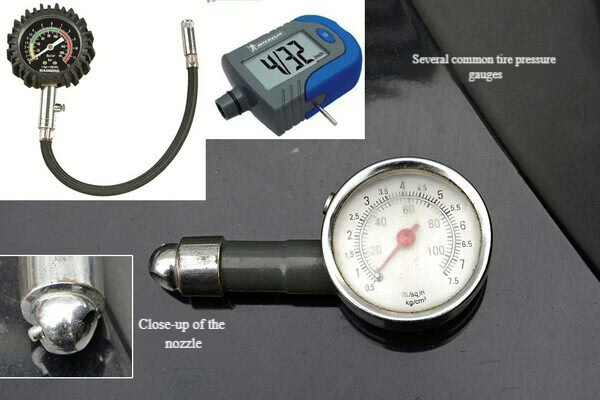
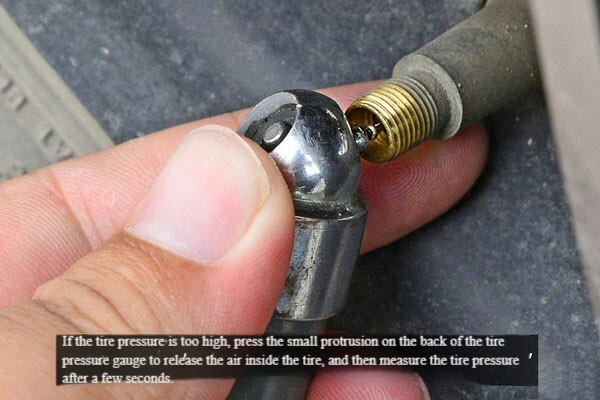
Tire pressure gauges come in two types: mechanical and digital. The operation is the same. Below, we’ll demonstrate how to measure tire pressure using a mechanical tire pressure gauge.
It’s important to note that tire pressure should be measured when the engine is cold, meaning the vehicle hasn’t been driven and the air temperature inside the tires is the same as the ambient temperature. If you’ve driven a short distance (less than 1 kilometer), the tire air temperature won’t rise significantly, and the measurement will be inaccurate. However, if you’ve driven a long distance or the tires have been exposed to direct sunlight, the tire air temperature will be very high, and the reading will be inaccurate. In this case, you should park the car in the shade and let it sit for at least one hour before measuring. Therefore, it’s recommended to measure tire pressure before driving in the morning.
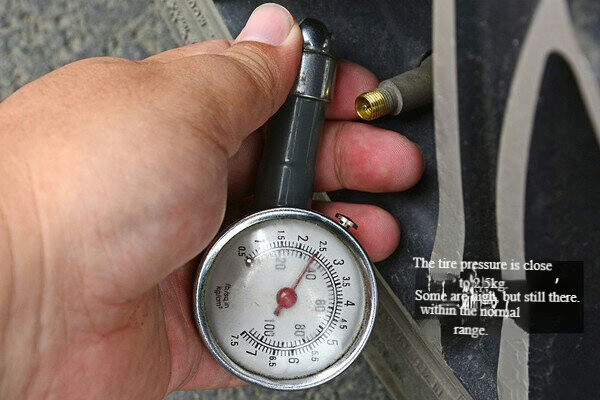
There are many units of pressure: Pascals, millimeters of mercury, kilograms per square centimeter, pounds per square inch… We’re not scientists, so we don’t need to delve into the conversions. Just remember that kPa divided by 100 is approximately equal to kg. When measuring, look at the smaller numbers on the outer ring of the tire pressure gauge; 2.5 kg is approximately equal to 250 kPa.
Illustrated Guide to Using a Tire Pressure Gauge
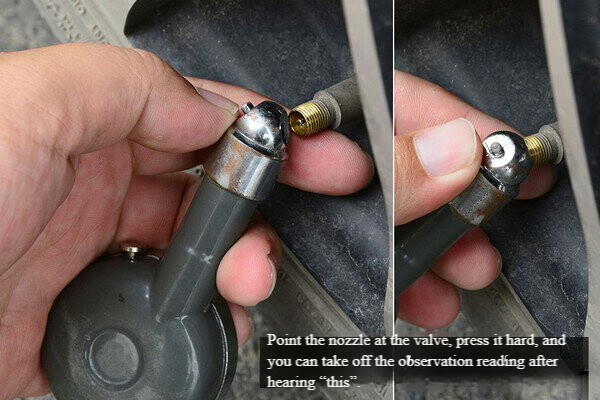
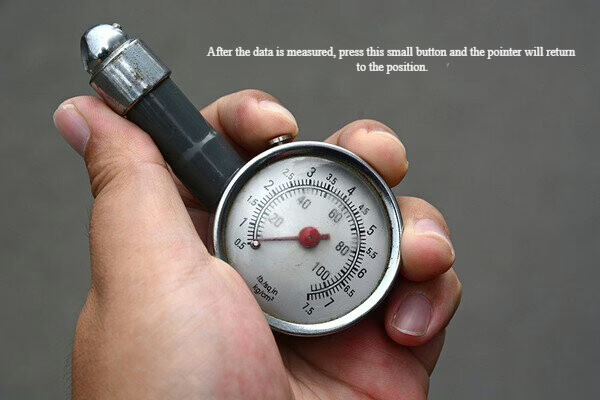
Summary: Regardless of price or power, every car has four tires that come into contact with the ground. Therefore, safe tire use is crucial for driving safety. We hope this article will teach car owners how to measure their tire pressure themselves, checking it monthly to monitor their tire health. During long road trips, it’s also advisable to check the tires and their pressure during rest stops to nip potential accidents in the bud and ensure safe travel.