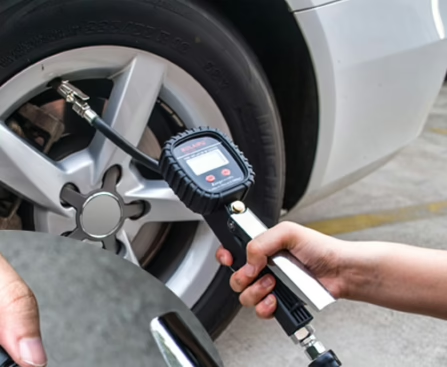
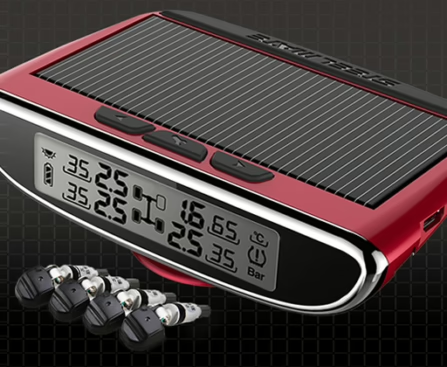
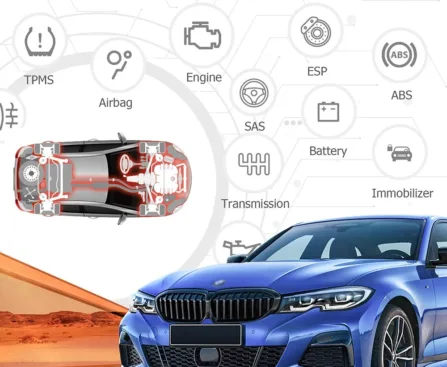
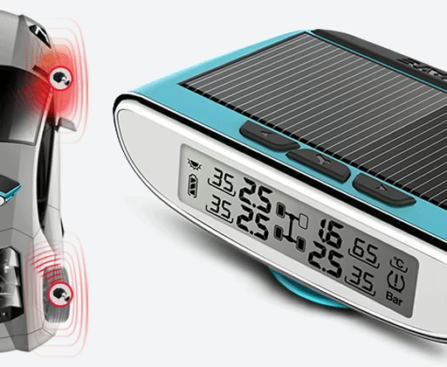
A tire pressure gauge, also known as a tire pressure meter or vehicle tire pressure gauge, is a special pressure gauge used to measure the pressure inside the tires of cars, trucks, bicycles, and other vehicles. To use a tire pressure gauge, align the measuring end with the tire valve and observe the reading to determine the tire pressure and whether to deflate or inflate. The unit is usually bar (megapascals). What is the appropriate tire pressure in bars? What is the working principle of a tire pressure gauge?
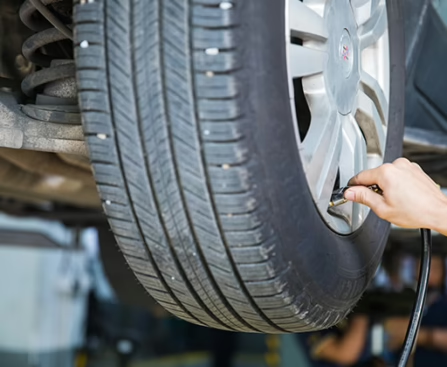
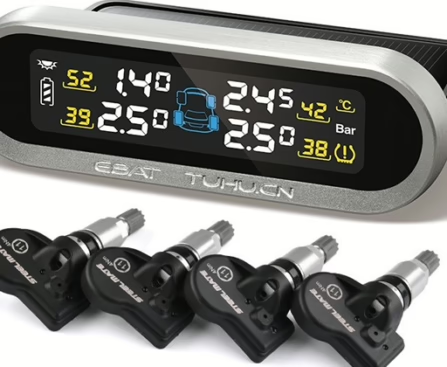
When it comes to car safety features, tire pressure monitoring (TPM) is receiving increasing attention. TPM systems are divided into indirect and direct TPM. So, is indirect TPM good? How does it work? What are the disadvantages of indirect TPM systems?
Tire Pressure Monitoring System (TPMS) automatically monitors tire pressure in real time while a vehicle is in motion, alerting drivers to leaks and low pressure to ensure driving safety. TPMS can be divided into indirect and direct types. So, which one is better?
The P002F fault code, applicable to all car manufacturers, means “B Camshaft Profile Control Circuit High (Bank 2)”.
The P002D fault code, applicable to all car manufacturers, means “B Camshaft Profile Control Circuit/Open (Bank 2)”.
Maintaining proper tire pressure is crucial, ensuring even contact between the tire and the road surface and reducing wear. How can you check your tire pressure? You’ll need a tire pressure gauge in your car to monitor the tire pressure at any time. So, which type of tire pressure gauge is best? How should you choose one?
The P002C fault code, applicable to all car manufacturers, means “B Camshaft Profile Control Circuit High (Bank 1)”.
Tire pressure monitoring (TPMS) is a system that automatically monitors tire pressure in real time while the vehicle is in motion, alerting the driver to leaks and low pressure to ensure driving safety.