
Driving with a Cigarette Lighter TPMS Display Showing Garbled Code
Yes, you can continue to drive the vehicle, but you must immediately perform a manual check of all tire pressures using a reliable tire pressure gauge. A garbled or scrambled display on an aftermarket cigarette lighter TPMS monitor indicates a failure of that specific display unit or its connection, not necessarily a problem with your tires or the sensors themselves. Your primary safety concern is the actual tire condition, not the faulty display.
1. Why You Can Drive (With Immediate Precautions)
The cigarette lighter (12V socket) TPMS system is an aftermarket add-on. It consists of individual valve stem sensors and a separate display unit that receives data. The vehicle’s built-in safety systems and ability to drive are completely independent of this accessory.
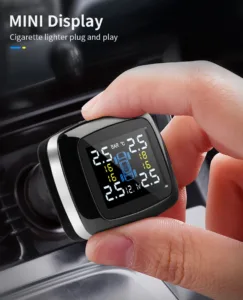
- Display Failure vs. Tire Failure: Garbled code (unreadable characters, symbols, or frozen numbers) is almost always a symptom of the display unit malfunctioning, losing power, or experiencing severe signal interference. It does not mean your tires are suddenly dangerous.
- No Control Over Vehicle: This monitor is a read-only information device. It does not control braking, stability control, or any critical vehicle function. A failure of this display does not impair the car’s ability to be driven.
- First Action is Manual Verification: Before continuing your journey, you must verify tire safety manually. Pull over safely and use a physical tire pressure gauge to check all four tires (and the spare if applicable) against the recommended PSI listed on your driver’s side door jamb sticker.
2. Immediate Diagnostic Steps & Safety Checklist
Follow this quick procedure to assess the situation safely.
- Safely Pull Over: When you notice the garbled display, find a safe location to stop.
- Conduct a Physical Tire Check:
- Visual Inspection: Walk around the vehicle. Look for any tire that appears significantly more deflated than the others.
- Manual Pressure Check: Use a quality tire pressure gauge. Check and adjust each tire to the vehicle’s recommended PSI.
- Basic Tread Check: Look for obvious punctures, bulges, or cuts in the sidewall.
- Troubleshoot the Display Unit:
- Unplug the display from the cigarette lighter socket and plug it back in firmly.
- Try a different 12V socket in the vehicle if available.
- Check the power cable for obvious damage.
- If the display resets and shows normal readings after being replugged, the issue was likely a poor power connection.
- If it remains garbled, the unit itself has likely failed.
3. Common Causes of a Garbled Display and Their Implications
| Cause | Description | Is It Safe to Drive? | Immediate Action |
|---|---|---|---|
| Loose or Poor Power Connection | The plug is not fully seated in the 12V socket, or the socket itself is faulty, causing intermittent power to the display. | Yes, after manual tire check. The tire sensors are still functioning. | Re-seat the plug. Clean the socket contacts. Try a different socket. |
| Display Unit Internal Failure | The monitor’s screen, processor, or receiver has malfunctioned. This is common with lower-cost electronic devices. | Yes, after manual tire check. The physical tires and their sensors are unaffected. | Unit likely needs replacement. Rely on manual pressure checks until a new monitor is installed. |
| Severe Electromagnetic Interference (EMI) | Passing near strong radio transmitters or using other powerful electronic devices in the car can temporarily scramble the signal. | Yes. The interference is temporary and external. | Drive away from the area. The display should return to normal. |
| Low Vehicle Battery Voltage | An old or weak car battery can cause voltage drops, leading to erratic behavior in aftermarket electronics. | Yes, but have the vehicle battery tested soon. The tire safety is not directly related. | Check your vehicle’s battery health. The display may work normally after the engine is running. |
4. Recommendations for Continued Driving
- Do Not Rely on the Faulty Display: Consider the TPMS monitor out of service until it is repaired or replaced.
- Establish a Manual Check Routine: Check your tire pressures with a physical gauge at least once a week and before any long trip.
- Monitor Tire Condition Visually: Make a habit of quickly looking at your tires each time you approach the car.
- Plan for Repair/Replacement: While not an emergency, schedule the replacement of the display unit to restore your convenient, real-time monitoring capability. Contact the product manufacturer for warranty support or purchase a new unit.
- Note on Factory TPMS: Your vehicle’s original, built-in TPMS warning light on the dashboard is a separate system. If that light illuminates (not the aftermarket display), it is a direct warning from the car itself and must be addressed promptly by checking pressures.
Final Verdict: A garbled cigarette lighter TPMS display is primarily an inconvenience, not a direct safety stop-drive event. Your course of action is to: 1) Immediately verify tire pressures manually, 2) Troubleshoot the display’s power connection, and 3) If the display is confirmed dead, continue driving while adopting a routine of manual pressure checks until you can replace the display unit. The vehicle’s drivability and primary safety systems remain intact.