
Are Cigarette Lighter TPMS Sensors Easily Damaged? Clarifying the Components and Risks
This question contains a common point of confusion. The TPMS sensors themselves are not connected to the cigarette lighter. The cigarette lighter port is used by a separate TPMS receiver or display unit. Therefore, the answer addresses two distinct components: the wireless tire-mounted sensors (which can be susceptible to damage) and the plug-in receiver (which is generally robust).
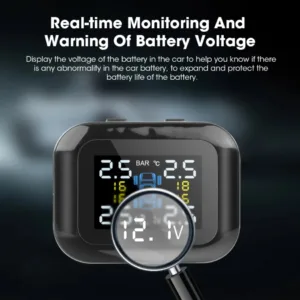
1. Clarification: Two Different Components
- Tire/Wheel Sensors (The Actual TPMS Sensors): These are small, battery-powered electronic units physically mounted inside each tire on the valve stem or wheel rim. They measure pressure/temperature and wirelessly transmit data. These are the components that can be damaged.
- Cigarette Lighter Receiver/Display: This is a separate device you plug into your 12V socket. It only receives and displays the wireless signal from the sensors. It is not a “sensor” itself and is not subject to the same physical hazards.
2. Vulnerability of the Actual Tire-Mounted TPMS Sensors
Yes, direct TPMS sensors can be damaged or fail, as they operate in a harsh environment. They are not “fragile” under normal conditions but have specific failure points.
| Common Cause of Damage/Failure | Description & Risk Level | Prevention/Mitigation |
|---|---|---|
| 1. Tire Service & Improper Handling | This is the #1 cause of sensor damage. During tire mounting, dismounting, or balancing, a tool can strike and crack the sensor body or snap the valve stem (if it’s a valve-stem-type sensor). | Always inform tire technicians that your vehicle has TPMS. A skilled technician using proper TPMS-compatible tools and procedures will minimize this risk. |
| 2. Corrosion & Chemical Damage | Road salt, magnesium chloride (ice melt), and some commercial tire sealants or inflator products can corrode the metal valve stem and sensor components or clog the pressure port. | Rinse wheels regularly in winter climates. Avoid using tire sealants unless they are explicitly labeled as TPMS-safe, and even then, only as a temporary emergency fix. |
| 3. Battery Depletion | Each sensor has a non-replaceable lithium battery with a typical lifespan of 5-10 years. Failure is not “damage” but a predictable end-of-life event signaled by intermittent or lost signals. | Cannot be prevented. When the battery dies, the entire sensor unit must be replaced. |
| 4. Impact Damage | Hitting a severe pothole or curb at high speed can physically damage the sensor or the wheel rim, leading to sensor failure. | Drive carefully to avoid major impacts. Inspect tires and rims after a significant impact. |
| 5. Electronic Failure | Like any electronic device, the sensor’s internal circuitry can fail due to manufacturing defects, moisture ingress, or extreme temperature cycles. | Minimal user prevention. Quality sensors from reputable brands have better reliability. |
3. Durability of the Cigarette Lighter Receiver Unit
The plug-in display unit is far less likely to be “damaged” in the traditional sense but has its own considerations:
- Physical Durability: It sits in your vehicle’s cabin, protected from the elements, impacts, and chemicals. Physical damage is rare unless it is dropped or subjected to extreme force.
- Electrical Issues: The primary risks are:
- Poor Socket Connection: A loose or corroded 12V socket can cause intermittent power, making the device appear faulty.
- Power Surges/Voltage Spikes: While rare, electrical issues in the vehicle could potentially damage the receiver’s circuitry.
- Overheating: If left plugged in constantly in direct sun, extreme heat could theoretically shorten its lifespan.
- General Reliability: These units are typically simple radio receivers with a basic display. They have no moving parts and, if from a reputable brand, are generally reliable for years.
4. Key Takeaways and Recommendations
- The sensors are the vulnerable part, not the display. When people talk about TPMS damage, they are almost always referring to the tire-mounted sensors.
- Tire service is the highest-risk activity. Always use a trusted tire shop experienced with TPMS.
- Battery death is inevitable. Budget for sensor replacement every 6-10 years as a normal maintenance item.
- Aftermarket vs. OEM Sensors: Quality varies. OEM (Original Equipment) sensors are matched to your vehicle but are expensive. High-quality aftermarket “programmable” or “cloneable” sensors can be a reliable and cost-effective alternative if installed and programmed correctly.
- The cigarette lighter receiver is a low-maintenance item. If it fails, it’s an inexpensive and easy replacement compared to a sensor.
Final Verdict: The tire-mounted TPMS sensors are subject to a harsh operating environment and specific failure modes, making them susceptible to damage from improper handling, corrosion, and eventual battery death. However, with proper care and skilled tire service, they can reliably last for many years. The cigarette lighter receiver/display unit, on the other hand, is a robust accessory with a very low risk of physical damage under normal use. When considering TPMS reliability, the focus should be on protecting the sensors in the wheels.