
How to Steam Clean Your Car Carpet: A Complete Guide
Steam cleaning is one of the most effective, chemical-free methods to deep clean, sanitize, and refresh your car’s carpet. It uses high-temperature steam to penetrate fibers, loosen embedded dirt, grime, and stains, and kill bacteria and allergens. This guide provides a detailed, step-by-step process to achieve professional-level results at home.
Why Steam Clean Your Car Carpet?
- Deep Cleaning: Steam penetrates deep into carpet fibers, lifting dirt that vacuuming misses.
- Sanitization: High heat (typically 212°F/100°C or more) kills bacteria, dust mites, and mold spores.
- Odor Removal: Effectively neutralizes odors from spills, pets, or mildew.
- Eco-Friendly: Often requires only water, or minimal detergent, reducing chemical use.
- Gentle on Materials: When used correctly, it’s safe for most automotive carpets and fabrics.
Tools & Materials You’ll Need
- Steam Cleaner: A handheld or portable steam cleaner designed for upholstery. Key features to look for include:
- Adjustable steam pressure/temperature settings.
- Upholstery or small brush attachment.
- Crevice tool for tight spaces.
- A water tank capacity of at least 1 liter (34 oz) for larger vehicles.
- Car Vacuum Cleaner: With upholstery and crevice attachments.
- Microfiber Cloths & Soft-Bristled Brush: For pre-treatment and drying.
- Carpet Stain Remover or Mild Detergent: For pre-treating stubborn stains.
- Protective Gear (Optional): Gloves to protect your hands from heat.
Step-by-Step Steam Cleaning Process
Step 1: Preparation & Initial Vacuuming
Thorough preparation is critical for effective steam cleaning.
- Remove All Loose Items: Take out floor mats, trash, car seats, and any personal belongings.
- Shake Out and Clean Mats Separately: Clean rubber or fabric mats outside the car.
- Vacuum Extensively: Use a powerful vacuum with attachments to remove all loose dirt, sand, pet hair, and debris. Pay special attention to:
- Under the seats (move them forward and back).
- Along edges and crevices where the carpet meets the center console and door sills.
- The footwells and pedal area.
This prevents dirt from turning into mud during steaming.
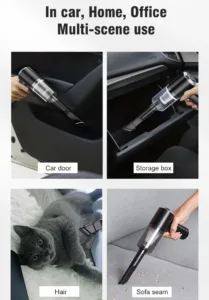
Step 2: Pre-Treat Stains
For set-in stains, pre-treatment significantly improves results.
- Identify stains (coffee, grease, mud, etc.) and apply a suitable automotive carpet stain remover or a mild detergent solution.
- Gently blot or dab the stain with a microfiber cloth—do not rub, as this pushes the stain deeper.
- Let the cleaner sit for 10-15 minutes to break down the stain before steaming.
Step 3: Prepare the Steam Cleaner
- Fill the Tank: Fill the cleaner’s reservoir with distilled or demineralized water to prevent mineral buildup. If your model allows, add a small amount of manufacturer-recommended carpet cleaning solution.
- Heat Up: Turn on the machine and allow it to fully heat up. This typically takes 1-5 minutes, depending on the model.
- Attach the Right Tool: Use the upholstery brush or a small, flat nozzle attachment for broad carpet areas. Attach the crevice tool for edges and tight spots.
- Test in an Inconspicuous Area: Always test the steam cleaner on a small, hidden section of carpet (e.g., under the seat) to ensure it doesn’t cause discoloration or damage.
Step 4: Steam Clean the Carpet
Technique is key to avoid over-wetting.
- Work in Sections: Divide the carpet into manageable sections (e.g., one footwell at a time).
- Maintain a Steady Pace: Hold the steam nozzle slightly above the carpet surface. Press the trigger and move the cleaner slowly in straight, overlapping passes. Do not hold the steam in one spot for too long.
- Use a Systematic Pattern: Start from the top of a section (e.g., back of the footwell) and work your way towards the door to avoid stepping on cleaned, wet areas.
- Focus on Stains: For pre-treated stains, hold the steam over the area for a few extra seconds and use a gentle brushing motion with the attachment to agitate the fibers.
- Avoid Oversaturation: The goal is to dampen the carpet, not soak it. Excessive moisture is the primary cause of mold and mildew growth.
Step 5: Drying – The Most Critical Step
Proper drying is non-negotiable to prevent mold and mildew.
- Immediate Airflow: Immediately after steaming, open all car doors and windows wide. Park the car in a sunny, well-ventilated area if possible.
- Extract Excess Moisture (If Possible): If your steam cleaner has a vacuum/extraction function, go over the damp areas to pull out as much moisture as possible. Alternatively, use a dry/wet vacuum.
- Use Fans: Place portable fans blowing directly into the footwells to circulate air. A dehumidifier in the garage can also help.
- Check for Dryness: The carpet should feel completely dry to the touch, not cool or damp. This can take anywhere from 3 to 12 hours depending on climate and airflow. Do not replace mats or items until fully dry.
Key Considerations & Safety Tips
| Do’s | Don’ts |
|---|---|
| ✔ Work in a well-ventilated area. | ✘ Never use boiling water in the steam cleaner. |
| ✔ Wear gloves to protect from heat. | ✘ Do not steam clean electrical components, sensors, or the infotainment screen. |
| ✔ Use distilled water to prolong machine life. | ✘ Avoid excessive moisture; never soak the carpet. |
| ✔ Clean and empty the steam cleaner after use per manufacturer instructions. | ✘ Don’t assume all carpets are the same; always perform a spot test first. |
When to Consider Professional Help
While DIY steam cleaning is effective for maintenance, consider a professional detailer if:
- The carpet has severe, old stains that haven’t responded to home treatment.
- There is a persistent musty odor indicating deep-seated mold or mildew.
- The vehicle has flooded or suffered significant water damage.
- You lack the time or equipment for proper drying.
Final Verdict: Steam cleaning your car carpet is a highly effective way to achieve a deep, hygienic clean. Success hinges on thorough preparation, using the correct technique to avoid over-wetting, and most importantly, ensuring the carpet is completely dry afterward. By following this guide, you can restore your car’s interior to a fresh, clean state.