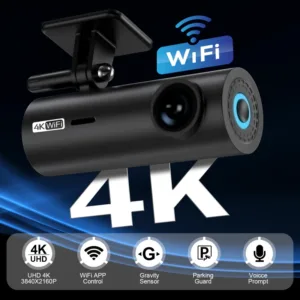
I. Core Differences: Definition & Primary Functions
| Feature | Streaming Media Rearview Mirror | Dash Cam (Dashboard Camera) |
|---|---|---|
| Nature | A real-time video display system that replaces or enhances the traditional interior rearview mirror. | A video recording and storage device used to document the driving journey. |
| Primary Function | 1. Real-time Display: Uses a rear camera to project an ultra-wide, clear, real-time view of the area behind the vehicle onto the mirror screen. Significantly reduces blind spots (e.g., from C-pillars) and glare from headlights at night. 2. Field of View Advantage: Typically provides a view 2-3 times wider than a traditional mirror without distortion. The displayed image does not change when the mirror angle is adjusted. | 1. Continuous Recording: Constantly records video (and often audio) of the road ahead (and optionally behind/inside the cabin), usually with overlays for time, speed, and GPS location. 2. Evidence & Documentation: Provides crucial evidence for traffic accidents; can be used to record road trips; some models support parking surveillance mode. |
| Design Purpose | Enhance real-time observation safety and clarity, improving the driving experience. | Provide post-event playback and evidence for liability determination and journey documentation. |
II. Frequently Asked Questions
1. Can a streaming media rearview mirror be used as a dash cam?
Typically, a standalone streaming media rearview mirror cannot function directly as a dash cam.
- Different Functional Focus: The core of a streaming mirror is low-latency, high dynamic range real-time display. It prioritizes the camera’s ability to handle bright light/backlight (“highlight suppression”), but its system design does not primarily focus on continuous high-spec video encoding and storage. Most basic streaming mirrors on the market come only with a rear camera, lack a front camera, and do not include storage cards or loop recording capabilities.
- Integrated Products: Many 2-in-1 or all-in-one products are available that combine streaming mirror functionality with front-and-rear recording dash cam features. When purchasing, check the product specifications to confirm it includes core dash cam features like recording, storage, and loop recording.
2. Does installing a streaming media rearview mirror require vehicle registration filing?
Usually, no.
In most regions, installing a streaming media rearview mirror is considered an interior accessory or modification, not an alteration to the vehicle’s exterior appearance, engine performance, or primary safety structure. It does not change the parameters on the vehicle’s registration certificate, therefore it generally does not require filing procedures with the vehicle management authority. Users can install and use it with confidence.
Important Note: Specific regulations may differ by country or region. It is advisable to check the latest rules with your local traffic authority before installation. Also, ensure the installation is performed correctly without obstructing the driver’s forward field of view.