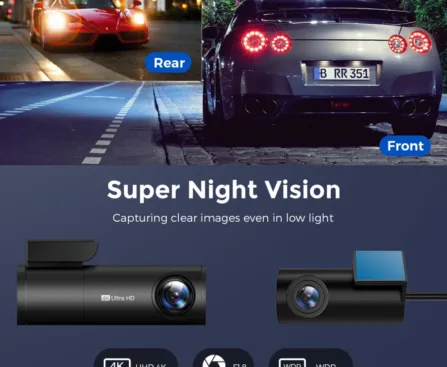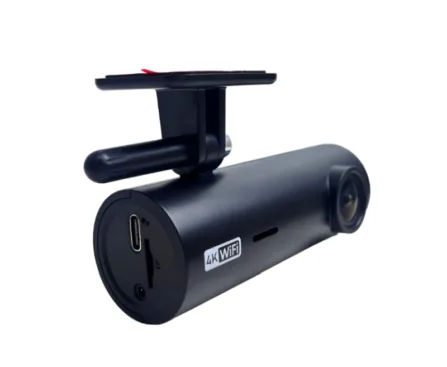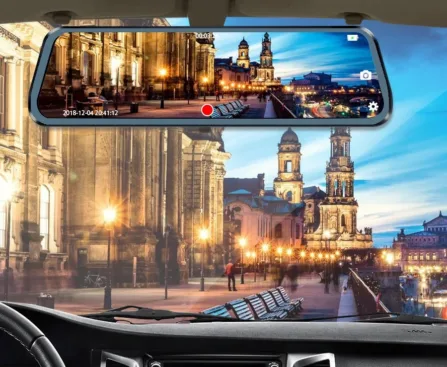
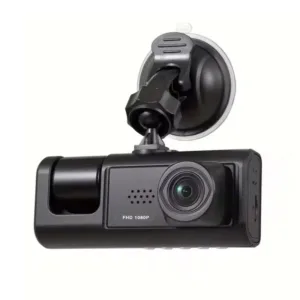
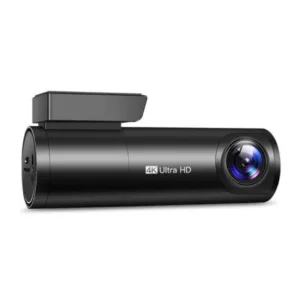
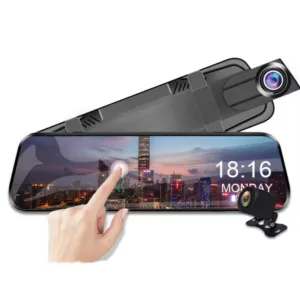
A front and rear dash cam (also known as a dual dash cam or dual channel dash camera) records both the front and rear of your vehicle simultaneously. This setup provides complete coverage and is ideal for drivers who want full protection on the road.
All Dash Cams
4K Dash Cams

Benefits

Full front and rear coverage
Better accident evidence
Increased safety

Best Front & Rear Dash Cams


View all dual dash cams →

How to Choose

Dual recording quality
Rear camera resolution
Installation type

FAQs

Q: Is dual dash cam better?
A: Yes, for full vehicle coverage.

Related

Night Vision

Can GPS navigation replace a dashcam?

They serve completely different purposes, even though both sit near the windshield and both might use GPS. A GPS navigator (or your phone’s Google Maps/Waze) tells you where you are and how to get there. A dash cam records what happens on the road so you have evidence if something goes wrong. One is a planning tool, the other is an insurance/legal tool. Using nav instead of a dash cam leaves you with zero footage when you actually need it.
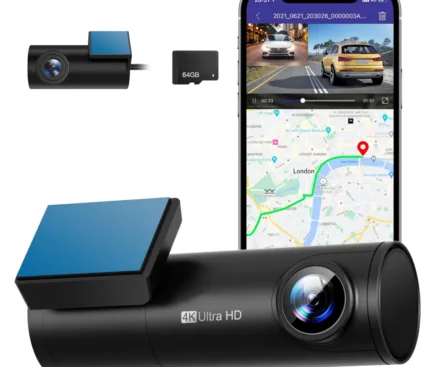
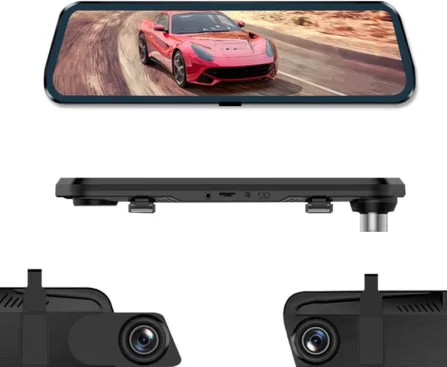
What’s the use of a dashcam? What are its functions?

A dash cam (dashboard camera, also called a driving recorder) is a small, windshield- or dashboard-mounted camera that continuously records video of the road ahead (and often the cabin/interior) while you drive. In the US/EU market, “car driving recorder” almost always refers to this consumer dash cam. There’s also a separate, commercial-grade “vehicle event data recorder” (the kind mandated for buses/trucks in some regions, logging speed, braking, driver hours), but for private car owners, the dash cam is the device in question. This guide covers both contexts briefly, then focuses on the consumer dash cam most drivers care about.

Dash cam parking mode setup?

Setting up parking mode on your dash cam is a multi-step process that transforms it from a driving recorder into a 24/7 vehicle security system. The core requirement is providing continuous power to the camera when the ignition is off, which is not possible through the standard cigarette lighter socket. A successful setup involves three key components: a compatible dash cam, a constant power source (hardwire kit or OBD adapter), and proper configuration of the camera’s settings .

Hidden dash cam performance in extreme weather?

Hidden dash cams, like all automotive electronics, face significant challenges in extreme temperatures. Their performance and longevity are directly tested by the intense heat of a parked car in summer and the deep cold of winter mornings. The key to reliable operation lies in specific engineering choices, particularly the use of supercapacitors over batteries, robust thermal design, and adherence to strict environmental testing standards.