
Using Steam to Clean Oil Stains from Car Door Panels: An Efficient and Eco-Friendly Method
Using steam to clean oil stains from car door panels is an efficient and eco-friendly approach. Its core advantage lies in utilizing high-temperature steam to dissolve oil and grime, eliminating the need for large amounts of chemical cleaners, while simultaneously sanitizing and disinfecting the surface. Below is a detailed breakdown of the operational steps and key points.
Pre-Cleaning Preparation
Before starting, several preparatory steps can ensure a smoother cleaning process:
- Personal Protection: High-temperature steam can cause burns. It is advisable to wear heat-resistant gloves. To prevent inhaling stirred-up dust, consider wearing a mask.
- Vehicle Preparation: Before cleaning, it’s best to fully open the car doors and remove any items from the door panel storage compartments.
- Equipment Check: Check the water level in the steam machine’s reservoir. Preset the appropriate steam temperature and humidity level based on the door panel material (leather, fabric, or plastic). Using dry steam is recommended for cleaning interiors to avoid dampening the upholstery.
Step-by-Step Steam Cleaning Guide
Once preparations are complete, you can begin cleaning:
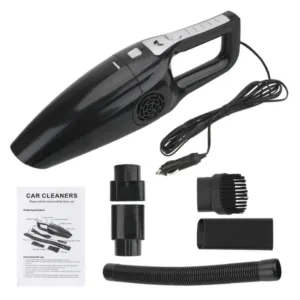
Initial Cleaning: First, use a car vacuum cleaner or a dry cloth to remove loose dust, debris, and other dry contaminants from the door panel surface. This step prevents the dirt from mixing with the steam and turning into harder-to-clean mud.
- Temperature and Nozzle Selection
- Leather Door Panels: The temperature should not be too high. It is recommended to use a low-temperature mode around 50-52°C (122-126°F) and pair it with a soft suede or microfiber nozzle to avoid damaging the leather.
- Fabric Door Panels: You can use medium-temperature steam around 52-55°C (126-131°F), paired with a nylon soft-brush nozzle to gently agitate the fibers.
- Plastic/Rubber Components: These have slightly higher tolerance. A temperature setting of 55-60°C (131-140°F) can be used with a specialized soft nozzle for plastics.
- Steam Application Technique
- Maintain the steam nozzle at a distance of 10-15 cm (4-6 inches) from the door panel, ideally at a 45-degree angle for sweeping passes.
- For stubborn oil stains, aim the steam directly and maintain a continuous burst for 10-15 seconds, allowing the high-temperature steam to fully soften the grease.
- Move the nozzle slowly and steadily, following a top-to-bottom sequence to ensure all areas, especially crevices, are covered.
- Stain Removal and Drying: After steam application, the oil stain will be dissolved and softened. Immediately wipe the area with a clean, dry microfiber cloth. If your equipment has a “steam-vacuum sync” function (which simultaneously suctions away the dirty water), the results are even better, as it minimizes moisture residue significantly. For small crevices on the door panel, switch to the equipment’s fine-nozzle attachment for targeted cleaning.
Important Precautions
- Safety First: Always be mindful to avoid steam burns to yourself or others. Never point the nozzle towards people, interior electronic components, or directly into air vents.
- Thorough Drying: After cleaning is complete, it is essential to allow the door area to dry thoroughly with good ventilation. Leave the car doors open to air dry in a shaded area, ensuring no moisture remains to prevent mold growth or unpleasant odors.
- Material Compatibility Test: If using steam cleaning on a particular area for the first time, it is recommended to test on a small, inconspicuous spot first to check for any discoloration or deformation of the material.
Summary
The steam cleaning method effectively removes oil stains from car doors while also providing sanitization and disinfection benefits. The key to success lies in selecting the right temperature for the material, maintaining the proper operating distance and angle, wiping immediately after steam softening, and ensuring final and complete drying.