
I. Operating Procedures
- Never use on the human body.
Medical high-pressure water guns generate pressure during operation. Do not aim them directly at any part of the human body.
- Keep away from power sources and electrical equipment.
When the spray gun is in operation with water flow, ensure the spray direction is away from power sources, plugs, and electrical equipment to prevent electric shock risks.
- Ensure sufficient water pressure.
If the water supply pressure is below 4 kg/cm², it is recommended to install a booster pump to ensure effective cleaning performance.
- Optional gas connection.
If compressed air or other gases are required, compatible quick-connect sockets can be selected to match the corresponding pipelines.
- Temperature Control
- The maximum temperature resistance of silicone rubber parts on the cleaning nozzle and handle is 150°C.
- The maximum temperature resistance of the spring conduit is 80°C.
Strictly control the temperature during cleaning and sterilization processes to avoid exceeding these limits.
- Avoid contact with oils and paraffin.
Do not place the gun body or silicone rubber parts on the nozzle in oil or paraffin mediums to prevent material aging and deformation.
- Do not wipe with alcohol.
Do not wipe the surface of the gun body with alcohol to avoid damaging the coating.
- Regularly replace the sealing ring.
After prolonged use, the sealing ring at the nozzle may age or become damaged, affecting the seal. Please replace it promptly with the original manufacturer-provided sealing ring.
- Fault reporting and repair.
If the equipment malfunctions, do not disassemble it yourself. Contact the manufacturer promptly for inspection and repair.
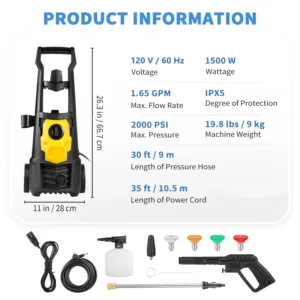
II. Precautions for Use
Medical high-pressure water guns are frequently used equipment for instrument cleaning. Improper operation can easily cause splashing of contaminated water during spraying, posing hygiene and safety risks. To ensure operator safety and cleaning effectiveness, please note the following:
- Select the appropriate nozzle.
Choose a nozzle suitable for the size of the instrument being cleaned. Ensure the nozzle fits tightly with the instrument channel to prevent water from splashing out through gaps.
- Operation when no matching nozzle is available.
If cleaning a tubular/cavity instrument for which no suitable nozzle is available, follow these steps:
- Place the instrument flat, parallel to the operator.
- Use the high-pressure water gun to flush the instrument channel from right to left. This directs the high-pressure water flow horizontally forward, preventing splashes towards the operator.
- Post-use handling and storage.
- After each use, the nozzle and gun body should be cleaned and disinfected.
- When storing, place the unit upright with the nozzle facing upwards. Avoid bending the hose (which can cause breakage), loosening of connections, and contamination of the nozzle tip.
Note: Standardized operation and regular maintenance not only ensure personnel safety but also extend the equipment’s service life and guarantee that cleaning results meet hygiene standards.