
Four precautions for car washing in summer
In the summer, in order to keep the car tidy, car washing has become more and more frequent, summer car washing is not as simple as imagined, there are many things to pay attention to, the following will summarize the key points of summer car wash for the majority of car owners.
1. Be careful to use cold water when washing the car in summer
Many car owners like to wash their cars in cold water to cool their cars, which results in problems with the car’s interior mechanics and paintwork. In the process of high-speed driving of the car, the engine, chassis and other operating systems are in a high temperature state, so washing the car with cold water, the temperature difference is huge, which will cause damage to the metal structure of the car, especially the internal structure of the machine, and may even burst. The body is exposed to high temperature for a long time, and the temperature is extremely high, and it is very easy to cause the aging of the car paint with cold water cars. In addition, cold water has a limited ability to clean oil stains, and it will cause oil scale to solidify, which is not convenient for future cleaning.
2. The essentials of “forced car washing”
After experiencing moderate to heavy rain, heavy snow or long distances, the vehicle must be thoroughly washed, if it encounters continuous precipitation, it is not necessary to wash it every day, but in the rainy process of a short sunny day, you must wash the vehicle, some car owners will say that this is a redundant move, because after washing to encounter rain, washing the car is equivalent to wasting effort, in fact, because long-term rain does not wash the car can easily lead to more dirt under the car chassis, and the accumulation will cause harm to the car. A short car wash can keep the car chassis in good condition for the next rain. Therefore, the meaning of “forced car wash” means that the vehicle must be washed once within an average of 7~8, and it must be the habit of washing the car frequently when it rains frequently.
3. How to wash your car by yourself
Washing your own car is convenient and saves money, but you can’t wash the car because of these two small cheapnesses. First of all, you need to prepare a sponge, a bucket, a little car wash liquid, a piece of suede and other car wash tools; Secondly, when washing the car, you should follow the top-down principle, at least two buckets of water, and try to wipe some places that touch the internal power line with a damp cloth to avoid damage to the interior of the car; Finally, after washing the car, it is best to spray a circle of tire protectant (foam) on the tires, after spraying, the color of the car tires is black and bright, the car looks more new and bright, and at the same time it can protect the tires to prevent tire skin cracking and aging, and increase the tire service cycle.
4. Don’t take computer car washing lightly
The speed of computer car washing is loved by car owners, but there are also disadvantages. Car washes are divided into two types of roller brushes: plastic and cotton fabrics, which are used to “pump the car”, usually have huge friction and are easy to cause wear on the surface of the car paint. It is easy to find whip marks on the body after a long time. As a result, the body loses its luster, so it is safer to choose a cotton fabric roller brush with more softness. In addition, the car wash fluid in general car wash shops will use chemical liquid, which will cause oxidation of the surface of the car body and lose its luster. Therefore, it is necessary to choose a better car wash liquid, so that the car can not only be decontaminated after washing, but also keep the car body clean for a long time.
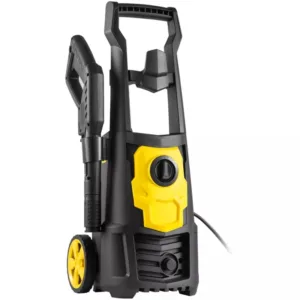
Top 10 taboos that you must pay attention to when washing your own car
Car washing is the basic part of car beauty, but car washing can not be done at will, here is a reminder of the ten taboos of car washing, car owners must first master some car washing knowledge when washing the car, to avoid their own car behavior but cause harm to the car.
Do not wash the car before the engine is completely cooled. This can cause the engine to age prematurely.
Avoid washing your car under the scorching sun. This will leave dry water droplets on the body.
Do not wash your car in very cold weather. Once the water freezes, it will cause the paint film to crack.
Do not use water other than soft water for cleaning, including hot water, alkaline water and water with high hardness. Because these substances can damage the paint. Washing with hard water will leave marks and films on the surface of the car body after drying.
Do not use ultra-high pressure water to wash the car body. Excessive water pressure can damage the paint surface. If there is hard dust on the car body, soak it with water first, and then rinse it with water. Disperse the water flow to spray.
Avoid adding detergent indiscriminately. Laundry detergent, stain remover and low-quality soap are not allowed for washing. Because these detergents contain alkali, it may wash away the grease from the paint surface and accelerate the aging of the paint surface. Generally, no detergent is added when washing the car.
Avoid rubbing. After rinsing with water, many people like to wipe it. There are two main problems with wiping: the cloth used is unqualified and the wiping method is wrong. To wipe, use a soft cloth or a soft, clean sponge. When wiping, it should be gently wiped from top to bottom in the direction of the water flow, and should not be rubbed in circles or horizontally.
Avoid abusing stain removers. There may be highly corrosive stains on the car body, such as asphalt, oil stains, birds, insect droppings, etc., which are difficult to clean and must be done in the right way. When cleaning body oil stains, use a sponge dipped in a little kerosene or gasoline to wipe gently, and then apply polishing paste to the rubbed area to make it shiny. If there are dead insects and other animal and plant sap on the car body, it should be soaked with soapy water first; Then wash with a sponge soaked in water. Oil stains on steering wheels, lamps, profiles and rubber parts can only be cleaned with ordinary soapy water, not gasoline, stain remover and thinner.
Do not abuse hard cleaning tools to remove dirt. Such as plastic brushes and blades to scrape stains, which can easily damage the paint surface.
Do not touch the surface of the car body with dirty hands stained with oil, or place oily tools or wipes containing organic solvents on the car body, which is easy to leave marks on the paint surface or make the paint fade prematurely.