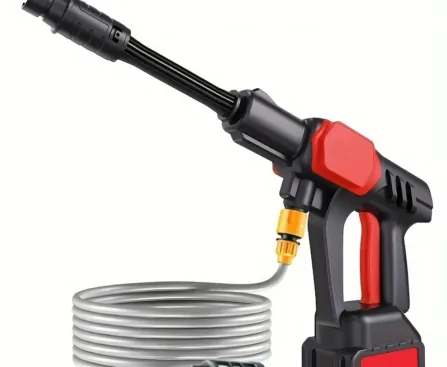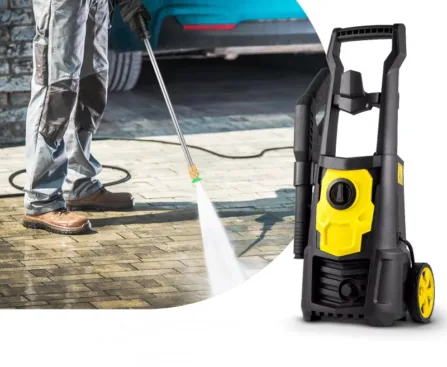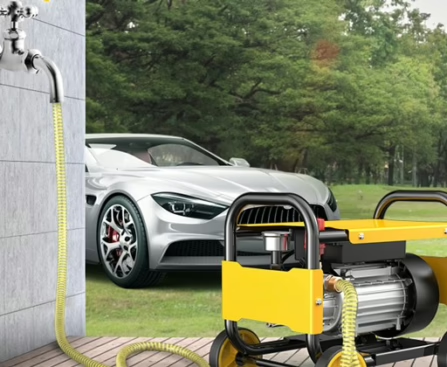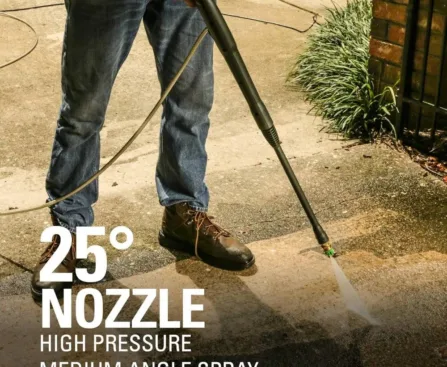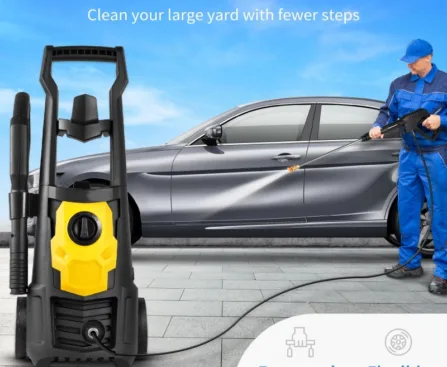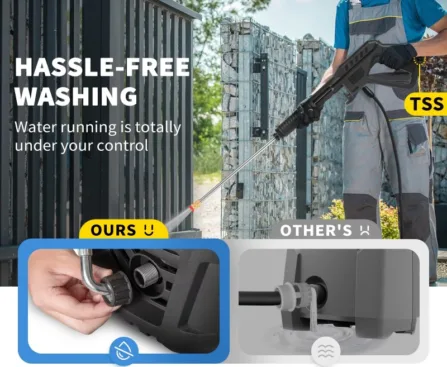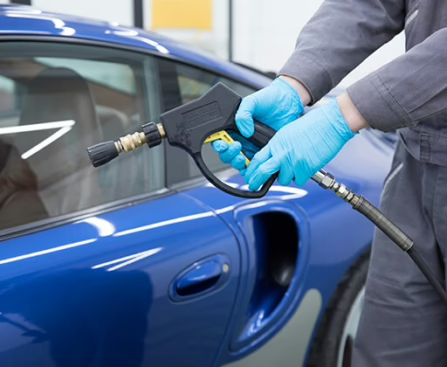
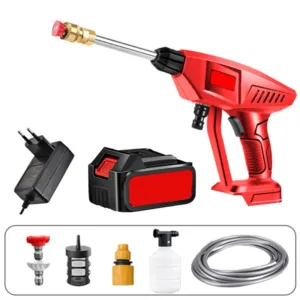
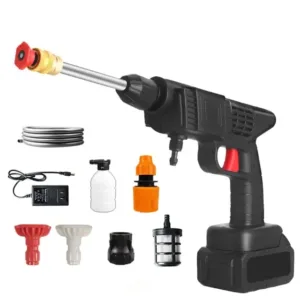
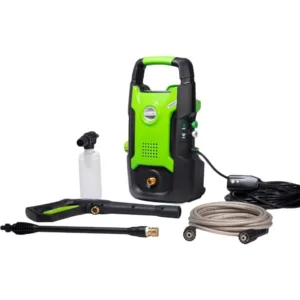
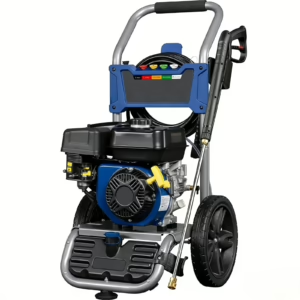
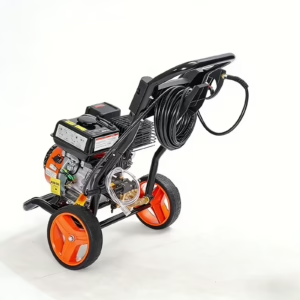
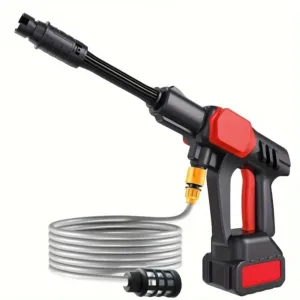
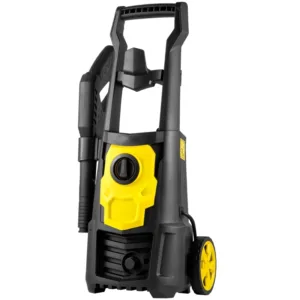
Electric car washers are genuinely useful for most homeowners—they save time, use less water than a bucket wash, and clean far better than manual scrubbing. They are also safe when used correctly, but “safe” depends entirely on three things: buying a properly rated unit (IPX5+ waterproof, thermal cutoff, leakage protection), respecting the risks of combining water and electricity, and operating the pressure washer correctly. The two real dangers are electrical (shock from water-intruded circuitry) and mechanical (high-pressure water damaging paint, trim, or hurting people). Both are preventable with the right equipment and technique.
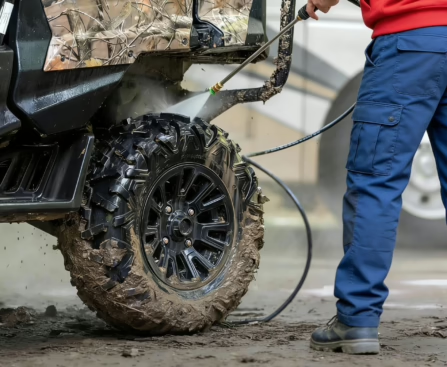
A pressure washer for car cleaning provides safe, efficient washing without damaging your vehicle’s paint. These car pressure washers typically use lower PSI and foam attachments to ensure a gentle yet effective clean.
All Pressure Washers
What is a Car Pressure Washer
Designed specifically for vehicles, these washers focus on controlled pressure and precision cleaning.
Benefits
Safe for car paint
Efficient cleaning
Works with foam cannons
Saves water
Best Pressure Washers for Car Cleaning
-

Lithium Battery Portable High Pressure Car Washing Machine
Price range: $157.81 through $168.21 -

Electric High Pressure Washer Gun For Car and Home Garden Cleaning
$139.69 -

Cordless High Pressure Car Water Gun Cleaner
$86.36 -

Electric pressure washers designed for both car washing and garden maintenance
$188.63 -

3400 PSI 2.6 GPM Gas Pressure Washer with Soap Tank & 5 Nozzles
$486.00 -

Conquer Any Job, Anywhere: 3600 PSI Gas Pressure Washer for Driveways, Patios & Tough Cleaning
$396.00 -

Portable Cordless High Pressure Washer Car Water Gun Rechargeable Lithium Battery
$229.99 -

Electric Pressure Washer 2000 PSI Washers Spray Gun for Home Use
$289.99
View all car cleaning washers →
How to Choose
PSI (1200–2000 recommended)
Foam compatibility
Water flow
Portability
FAQs
Q: Will a pressure washer damage my car?
A: Not if you use the correct PSI and nozzle.
Related Guides
Portable car washers, also known as portable car wash guns or vehicle washing guns, can be an excellent tool for many car owners, but their effectiveness and suitability depend heavily on your specific needs, vehicle condition, and washing environment. In short, they are a convenient and cost-effective solution for regular maintenance washes in locations without easy access to a hose or professional car wash, but they are not a perfect replacement for high-pressure professional equipment or a thorough hand wash with ample water.
Using a cordless pressure washer far from a tap is a perfect task for these portable systems. The key is leveraging its self-priming pump to draw from your own water supply. For tasks like cleaning a vehicle, pairing it with a dedicated car wash gun or foam cannon can significantly improve results and efficiency.
The Best Pressure Washers (Curated Picks: Electric, Gas-Powered, and Heavy-Duty Models). Discover the top-rated pressure washers on the market. Compare electric, gas-powered, portable, and heavy-duty models to help you select the ideal choice for car washing and home use.
Properly cleaning and storing your pressure washer gun after each use is essential for maintaining its performance, preventing damage, and ensuring longevity. Whether you call it a car wash gun, car washing gun, vehicle washing gun, cleaning gun car wash, car wash machine gun, car wash water gun, wash gun for car, or simply car wash guns, following these steps will keep your equipment in top condition.
Choosing the right pressure and flow rate for a home car wash gun is crucial for effective cleaning without damaging your vehicle’s finish. Here’s a guide to help you select the appropriate specifications.
To use a lithium-powered pressure washer in an outdoor environment without a water source, the core solution is to bring your own water storage container. These washers typically feature a self-priming design, meaning they can operate independently as long as you provide a water source (like a bucket of water).
Using a high-pressure washer with excessive pressure or incorrect operating methods is one of the most common ways DIY car washers inadvertently cause permanent damage to a vehicle’s paint, trim, and seals. The key is to understand that it’s not just about power; it also involves pressure, distance, and technique.