What does the B0033 fault code mean?
The B0033 fault code, applicable to all car manufacturers, means “Second Row Left Frontal Stage 3 Deployment Control (Subfault)“.
Background Information: Newer vehicles use multi-stage airbags to regulate the pressure within the airbag. The higher the pressure, the greater the force of the airbag deployment. The system automatically determines the airbag deployment strength based on parameters such as collision intensity, passenger weight, seat belt usage, child seat presence, and distance from the airbag. This design ensures that the airbag deploys with moderate force in most collisions, reserving maximum force for the most severe collisions.
Common Symptoms when B0033 is present:
- The airbag warning light on the dashboard remains illuminated, indicating a fault in the airbag system.
- The passenger airbag status indicator light does not change even when a passenger is seated, suggesting a system malfunction.
- In simulated tests, the airbag is noticeably delayed or fails to deploy, indicating a potential life-threatening risk in a collision.
- Unusual sounds or electrical malfunctions occur when the ignition is switched on, possibly indicating wiring problems.
- The airbag system exhibits unstable behavior, such as intermittent warnings, which can be confusing for the driver.
Most Common Causes of B0033 (in order of frequency):
- Wiring problems or connector failures account for approximately 40% of B0033 cases, usually caused by wear or corrosion.
- Passenger airbag module failure is also a common cause (30%), potentially due to manufacturing defects or damage.
- Improperly installed aftermarket accessories can cause electrical interference (15%); ensuring correct installation is crucial.
- Less common causes include airbag control module failure (10%), which manages the entire airbag system and requires professional diagnosis.
- In rare cases, software glitches or errors in the vehicle’s onboard computer (5%) can cause the B0033 code, requiring a software update.
Common Diagnostics and Repairs:
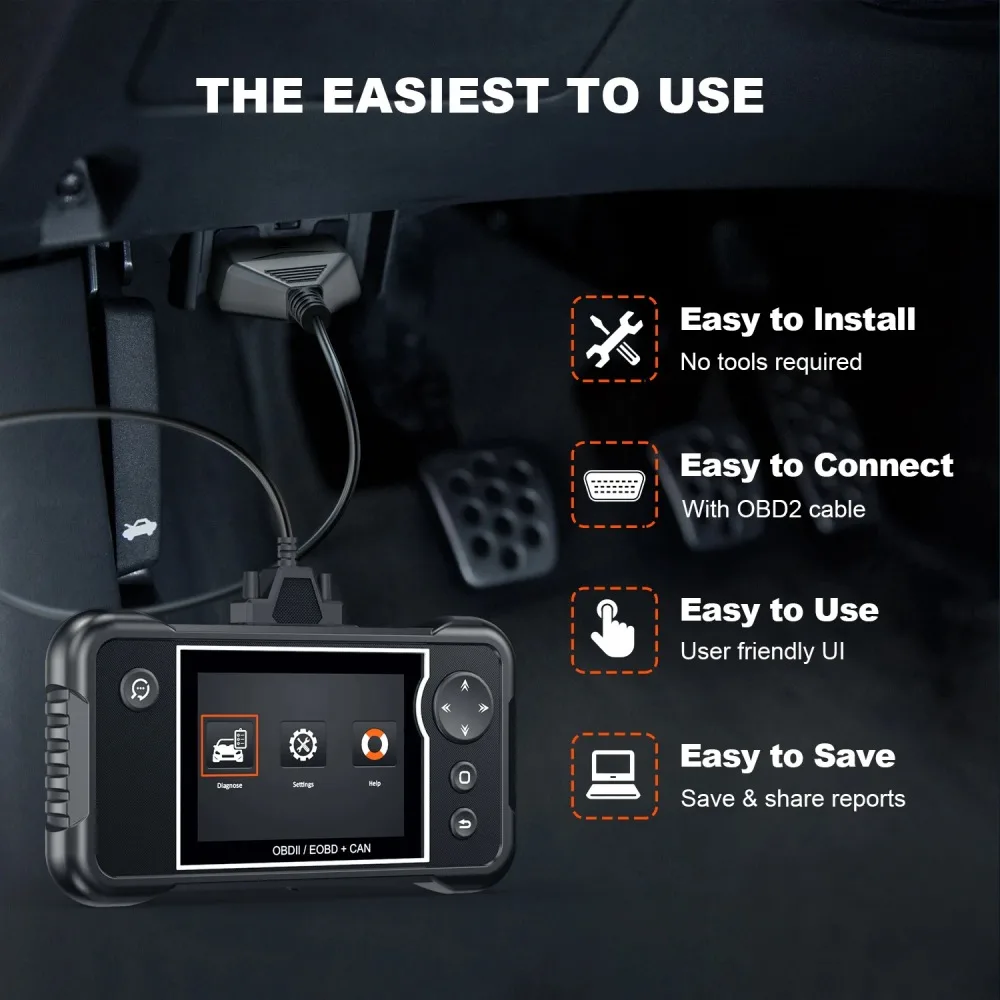
- Scan for additional fault codes with an OBD2 scanner: Due to the complex nature of the airbag system, there may be other related fault codes that can help you better understand the problem.
- Check wiring and connectors: Inspect the wiring and connectors of the airbag system for damage or loose connections. Check the airbag module: The airbag module or clock spring (which connects the airbag to the vehicle’s electrical system) may be faulty or require resetting.
- Sensor testing: You may need to test or replace the sensors associated with the airbag system.