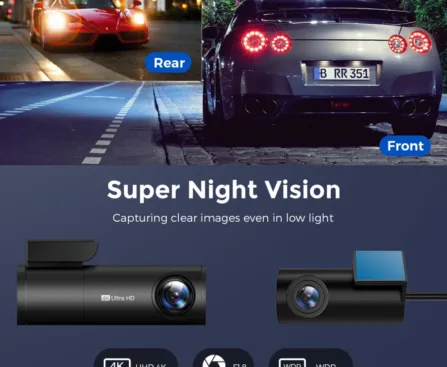
Is it normal for a tire inflator to get very hot after use?

Small 12V portable inflators run a DC motor + piston compressor inside a plastic or thin-metal shell with almost no active cooling. After 5–10 minutes of continuous run, the housing can hit 120–150°F (50–65°C)—hot enough to make you pull your hand away, but not necessarily broken. What matters is distinguishing “normal operating heat” from “dangerous overheating” that signals motor strain, blocked intake, or a pump you’re pushing too hard.
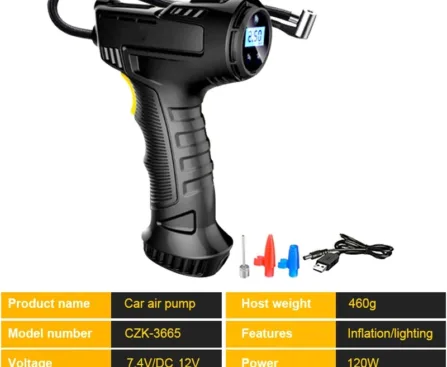
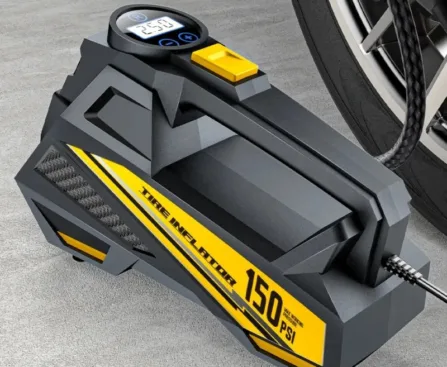
How to properly connect a 12V cigarette lighter inflator to the car’s port?

Short version: engine running → plug firmly into the 12V socket → attach hose to valve stem and lock the lever → set target PSI → run. The real traps aren’t the plugging part—they are (a) forgetting to start the engine so the socket even has power, and (b) exceeding the socket’s 10–15A fuse limit, which blows the car’s cig-lighter fuse instantly.

Can GPS navigation replace a dashcam?

They serve completely different purposes, even though both sit near the windshield and both might use GPS. A GPS navigator (or your phone’s Google Maps/Waze) tells you where you are and how to get there. A dash cam records what happens on the road so you have evidence if something goes wrong. One is a planning tool, the other is an insurance/legal tool. Using nav instead of a dash cam leaves you with zero footage when you actually need it.

Dashcam interfering with navigation, what to do?

This is a real and surprisingly common issue — you install a dash cam (especially one with its own GPS puck) and suddenly your built-in nav or phone GPS starts dropping satellites, drifting, or taking forever to lock. The dash cam isn’t “jamming” in the radio sense, but it can interfere through a few specific paths. Below breaks down the causes and the fixes that actually work.

How to maintain a dashcam? Common dashcam faults and repair methods.

A dash cam is one of the few car electronics that runs for hours at a time, bakes in summer sun, freezes in winter, and writes to the SD card 24/7 in loop mode. That workload means it fails in predictable ways — and most of those failures are preventable with basic care. Below is the maintenance routine that actually extends life, plus a diagnostic table for the faults owners hit most.

What’s the use of a dashcam? What are its functions?

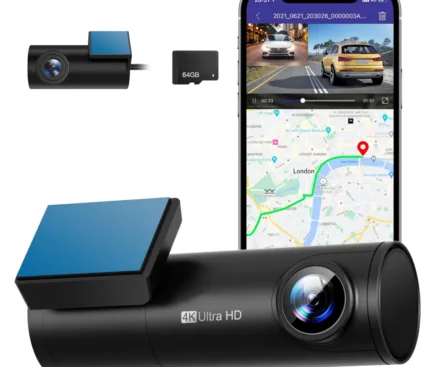
A dash cam (dashboard camera, also called a driving recorder) is a small, windshield- or dashboard-mounted camera that continuously records video of the road ahead (and often the cabin/interior) while you drive. In the US/EU market, “car driving recorder” almost always refers to this consumer dash cam. There’s also a separate, commercial-grade “vehicle event data recorder” (the kind mandated for buses/trucks in some regions, logging speed, braking, driver hours), but for private car owners, the dash cam is the device in question. This guide covers both contexts briefly, then focuses on the consumer dash cam most drivers care about.