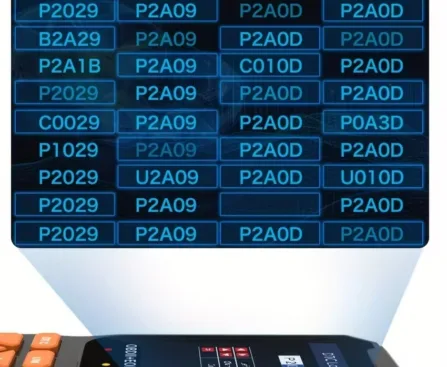
Common fault codes for 4-sensor TPMS.

A 4-sensor Tire Pressure Monitoring System (TPMS) uses individual pressure sensors in each wheel to provide precise, real-time data. When the system detects an issue, it stores Diagnostic Trouble Codes (DTCs) that can be read with an OBD-II scanner. Understanding these codes is crucial for accurate diagnosis and repair. The most common codes relate to sensor communication failures, low battery warnings, and system malfunctions.

What do “12V” and “cigarette lighter” mean for a tire inflator?

The specifications “12V” and “Cigarette Lighter” define the core power source, compatibility, and inherent performance boundaries of a portable tire inflator. Together, they mean the device is designed exclusively for use with a vehicle’s standard electrical system, offering ultimate convenience but with clear limitations on power and continuous operation compared to mains-powered or high-current models.

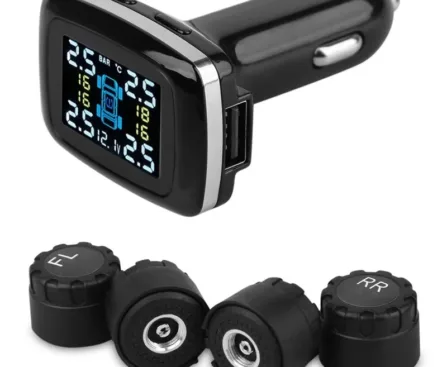
How to replace sensors on 4-sensor cigarette lighter TPMS?

Replacing the sensors on an aftermarket cigarette lighter TPMS (Tire Pressure Monitoring System) involves two distinct phases: the physical replacement of the sensor hardware inside each tire, and the electronic pairing/relearning of the new sensors to the display unit. The process requires basic mechanical skill for tire work and careful attention to the specific relearn procedure for your TPMS kit. It is highly recommended to have a professional tire shop handle the tire dismounting and sensor installation to avoid damage; the pairing process can often be done by the user.

Are cigarette lighter TPMS sensors easily damaged?

This question contains a common point of confusion. The TPMS sensors themselves are not connected to the cigarette lighter. The cigarette lighter port is used by a separate TPMS receiver or display unit. Therefore, the answer addresses two distinct components: the wireless tire-mounted sensors (which can be susceptible to damage) and the plug-in receiver (which is generally robust).