
What is the P00B4 Fault Code?
The P00B4 fault code, applicable to all vehicle manufacturers, stands for “Radiator Coolant Temperature Sensor Circuit High.”
Background Knowledge: The radiator coolant temperature sensor uses the principle of a thermistor to transmit the radiator temperature signal as a voltage to the Engine Control Unit (ECU). This fault code appears if the ECU detects that the radiator coolant temperature sensor signal voltage is above the calibrated maximum value.
P00B4 OBD II Trouble Code Symptoms
- Illuminated Check Engine or Service Light
- Engine temperature gauge reading erratically or inaccurately
- Engine overheating warning light (if ECU commands cooling fan activation)
- Abnormal engine performance, such as hesitation, poor idling, or rough running
- Reduced fuel efficiency
- Difficulty starting the engine, especially when cold
- In some cases, the driver may not notice any immediate symptoms, and the problem is only discovered during a routine diagnostic scan.
Common Causes of the P00B4 OBD II Trouble Code
- Faulty Coolant Temperature Sensor: The sensor itself may be defective, causing erroneous signals. This is often the most common cause, potentially due to aging, corrosion, or manufacturing defects.
- Wiring Issues: Damaged, broken, or corroded wires and connectors can lead to signal errors. Look for worn cables, loose connectors, or corrosion at terminal connections.
- Circuit Faults: Short circuits, open circuits, or damaged wiring harnesses can cause an unintended rise in the sensor signal.
- Poor ECU Communication or Internal Fault: Less common, but possible, where the ECU misreads or misinterprets the sensor signal.
- Extreme Environmental Conditions: Moisture, high heat, or chemical exposure can affect the sensor or wiring, leading to false high readings.
Diagnosing Code P00B4
- Visual Inspection: Check the coolant sensor and wiring harness for obvious damage, corrosion, or disconnected wiring.
- Check Sensor Connection: Ensure the connector is properly seated and free of corrosion or dirt affecting contact.
- Test Wiring Continuity: Use a multimeter to check the integrity of the wiring between the sensor and the ECU. Look for open circuits or short circuits.
- Measure Sensor Voltage or Resistance: Verify the sensor’s electrical characteristics when cold and hot against manufacturer specifications. Typically, resistance or voltage should change predictably with temperature.
- Scan Live Data: Use an OBD2 scanner to monitor the coolant temperature sensor reading and compare it to the actual engine temperature. An abnormally high reading indicates a sensor or circuit fault.
- Check Related Fault Codes: Other fault codes may provide clues; for instance, if similar codes related to temperature sensors or cooling fans are present, it supports the diagnosis.
Possible Repairs for Code P00B4
- Replace the Coolant Temperature Sensor: If the sensor is found to be faulty or aged, replacement is a straightforward and often necessary repair for experienced technicians/DIYers.
- Repair or Replace Wiring Harness and Connectors: Damaged wiring or corroded connectors should be cleaned, repaired, or replaced. This job is moderately intensive but usually requires technical skill.
- Check and Fix Circuit Faults: Repairing short circuits, open circuits, or grounding issues requires tracing wiring routes and may involve replacing damaged sections. Usually performed by professionals.
- ECU Reprogramming or Replacement: Rarely needed, but in some cases, an ECU update or replacement may be required if an internal fault is suspected.
- Environmental Protection Measures: Ensure the sensor and wiring are adequately protected from moisture and heat to prevent future issues.
Common Misdiagnosis or Improper Repairs for Code P00B4
- Assuming the sensor is always at fault without testing the wiring: Wiring or connector faults are more common causes and should be confirmed first.
- Prematurely replacing the sensor: Replacing the sensor without ruling out wiring or circuit faults won’t resolve the issue and leads to unnecessary expense.
- Overlooking environmental factors: Moisture ingress, heat exposure, or chemical damage to wires can cause recurring faults if not addressed.
- Ignoring related fault codes: Focusing only on P00B4 without checking for other codes may leave underlying issues unresolved.
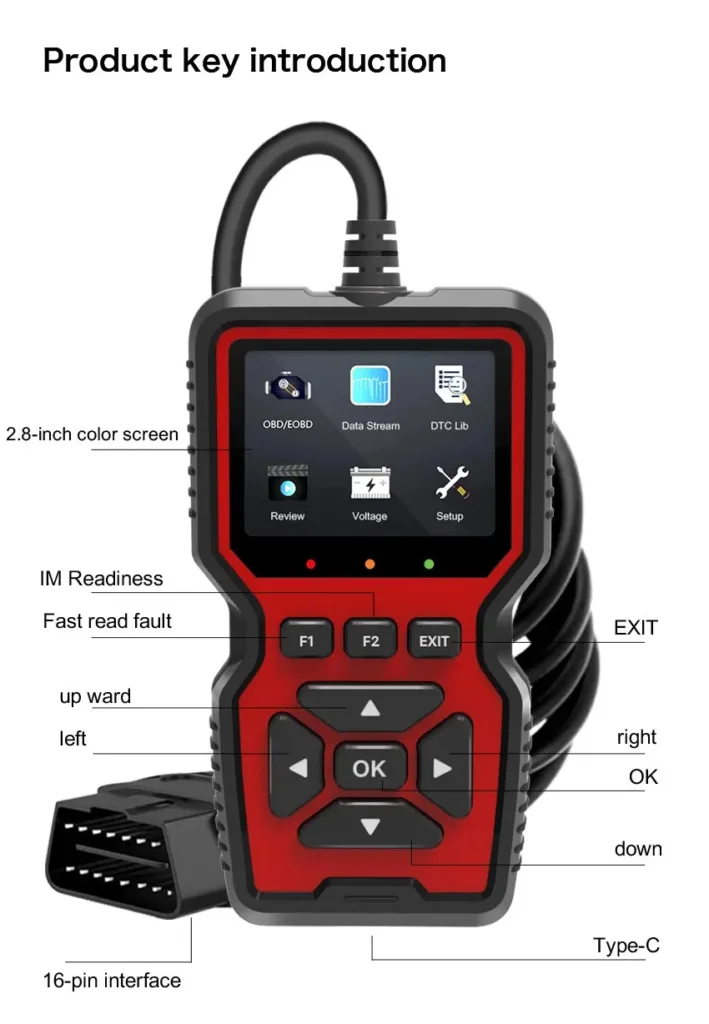
You may need some of the following tools: OBD2 Scanner, Antifreeze/Coolant, Drain Pan, Multimeter, Basic Socket Set, Basic Ratchet Set, Basic Screwdriver Set, Battery Terminal Cleaner, Service Manual.
Vehicles Commonly Affected by Code P00B4
- General Motors (Buick, Cadillac, Chevrolet, GMC): Listed as “Radiator Coolant Temperature Sensor Circuit High.”
- Volkswagen Group: VAG 1.4 TSI, 2.0 TDI, 1.8 TSI engine families
- Ford: EcoBoost and Duratec engines, especially in models like Focus, Fiesta, and Mondeo
- Peugeot and Citroën: PSA group using diesel and gasoline engines
- Opel/Vauxhall: Engines similar to Peugeot and Citroën due to platform sharing
- BMW: N20, N52, and other common engine series
P00B4 can affect various vehicles across multiple makes. The most affected vehicles tend to be those known for coolant sensor issues or specific engine families.
Frequently Asked Questions About Code P00B4
How severe is the P00B4 code?
The P00B4 code is considered a moderately severe issue. A faulty temperature sensor can cause the ECU to make incorrect adjustments to fuel mixture, ignition timing, or cooling fan operation. If ignored, it can sometimes lead to inefficient engine performance or increased emissions.
Can this code disappear on its own?
Usually not. Once the ECU detects an electrical anomaly in the coolant sensor circuit, it logs the fault and illuminates the warning light. Some temporary faults may disappear after the cause is fixed or via reset, but persistent issues typically require proper repair.
Can I still drive with it?
In most cases, yes—as long as the engine is running normally with no overheating or performance issues. However, ignoring the warning and delaying repair can lead to inaccurate engine temperature readings, affecting fuel economy or emissions. It’s best to diagnose and fix the problem promptly.
Why does the code return after clearing?
If the issue causing the high circuit reading remains unresolved (e.g., a damaged sensor, wiring fault, or short circuit), the fault code will reappear. The root cause must be found and fixed to clear the fault permanently.
How much does it cost to diagnose the P00B4 code?
Diagnosing the P00B4 code typically requires about 1.0 hour of labor. Rates vary by location, vehicle, and repair shop. Many shops charge between $80 and $150 per hour; dealerships and metropolitan areas may charge more, independents possibly less.
Related P00B4 Fault Codes:
- P00B1:Radiator Coolant Temperature Sensor Circuit
- P00B2:Radiator Coolant Temperature Sensor Circuit Range/Performance
- P00B3:Radiator Coolant Temperature Sensor Circuit Low
- P00B5:Radiator Coolant Temperature Sensor Circuit Intermittent/Erratic
P00B4 is just one of many OBD-II fault codes that can indicate a problem with your car’s engine. If you receive this code, be sure to have it diagnosed and repaired by a qualified technician to ensure your vehicle is in optimal condition. Understanding what the specification means and its causes will better equip you to understand the issue and explain it to a mechanic with more confidence.