What is the P004B fault code?
The P004B fault code, applicable to all car manufacturers, means “Turbocharger/Supercharger Boost Control B Circuit Range/Performance“.
Background Information: A turbocharger uses the inertial force of exhaust gases from the engine to drive a turbine, which in turn drives a coaxial impeller to pressurize the intake air, thereby increasing the car’s power. A supercharger is an air compressor used to increase the intake air of an internal combustion engine. More intake air provides the engine with more oxygen, allowing the control module to deliver more fuel, thus increasing output power. The turbocharger/supercharger boost controller’s function is to, when the boost pressure reaches a set value, use air pressure to push a wastegate actuator (pneumatic mechanical type) to redirect some exhaust gases around the turbine, thereby reducing turbine speed and controlling the boost level. This fault code indicates a problem with the turbocharger/supercharger boost control circuit.
Symptoms of the P004B code may include:
- Insufficient boost leading to decreased engine performance
- Overboost leading to knocking and possible engine damage
- Engine malfunction light illuminated
Possible causes of the P004B code include:
- Boost pressure/turbocharger position sensor malfunction
- Turbocharger/supercharger malfunction
- Control solenoid valve malfunction
- Wiring problems
- Faulty PCM
- Vacuum leak if the valve is vacuum controlled
How to fix a P004B fault? (Possible solutions)
To fix a P004B fault code on your car, you can follow these steps:
- Inspect the turbocharger/supercharger boost control system for damaged or disconnected vacuum lines or hoses. Replace or repair any damaged parts.
- Inspect the electrical connectors and wiring associated with the boost control solenoid valve or actuator. Clean or replace any corroded connectors and repair any damaged wiring.
- Inspect the turbocharger/supercharger, boost control solenoid valve, or actuator for any signs of malfunction or abnormal operation. Replace the solenoid valve or actuator if necessary.
- Check the exhaust bypass valve or bypass valve for proper function. If it’s stuck or malfunctioning, clean or replace it.
- Use an OBD2 scanner or disconnect the vehicle battery for a few minutes to clear the fault codes.
- Test drive the vehicle to confirm if the fault codes reappear. If the codes return, further diagnostics may be needed to identify the underlying problem.
Please note that it is recommended to consult a professional mechanic or your vehicle’s repair manual for specific instructions and diagnostic procedures for your vehicle model.
The severity of the P004B code ranges from moderate to severe. In some cases, problems with the turbocharger/supercharger can lead to serious engine damage. It’s a good idea to address this code as soon as possible.
Vehicles Most Often Affected by P004B
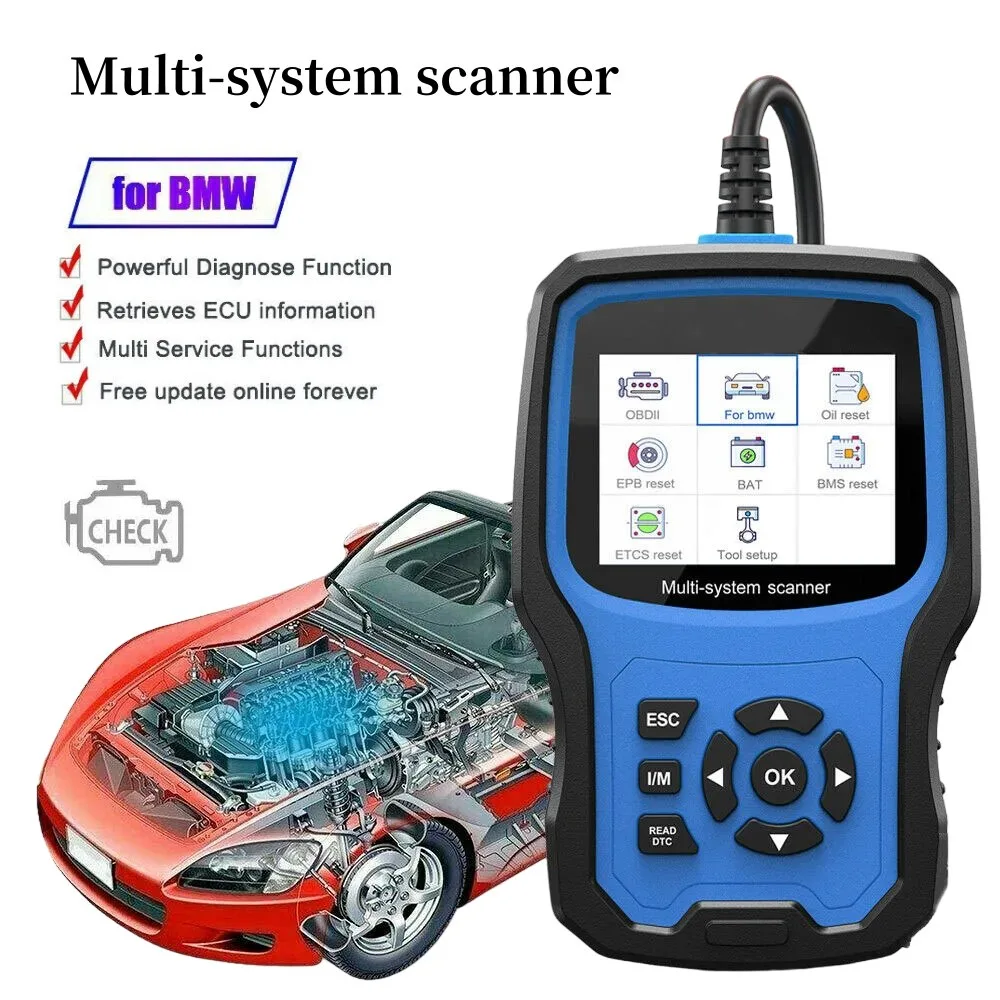
P004B most commonly occurs in modern turbocharged or supercharged vehicles, especially those equipped with advanced boost control systems and multi-boost actuators. Based on industry data and repair trends, the following models are typically associated with this code:
- BMW (3 Series, 5 Series, X5 with twin-turbocharged engine)
- Volkswagen/Audi (Golf GTI, A4, Q5 TFSI engine)
- Ford (EcoBoost engine in F-150, Fusion, Escape)
- Mercedes-Benz (C-Class, E-Class turbocharged models)
- Chevrolet (Cruze, Malibu turbocharged models)
Frequently Asked Questions about P004B
Is it safe to drive with code P004B?
Driving with code P004B is not recommended for extended periods. While the vehicle may still be drivable, you may face risks of decreased performance, increased fuel consumption, and potential damage to the turbocharger or supercharger system. If you notice a significant loss of power, unusual noises, or exhaust smoke, stop driving immediately and seek repair. This may be acceptable for short trips to a repair shop, but be careful and avoid sudden acceleration.
Will my vehicle enter a P004B situation?
Possibly. Many modern vehicles limit boost and power output as a protection mechanism for the engine when this fault code is detected.
Could P004B be caused by software updates or tuning?
Yes. Improper tuning, aftermarket performance modifications, or outdated ECM/PCM software can trigger this code if boost control values exceed OEM parameters.